Place Details
Pula
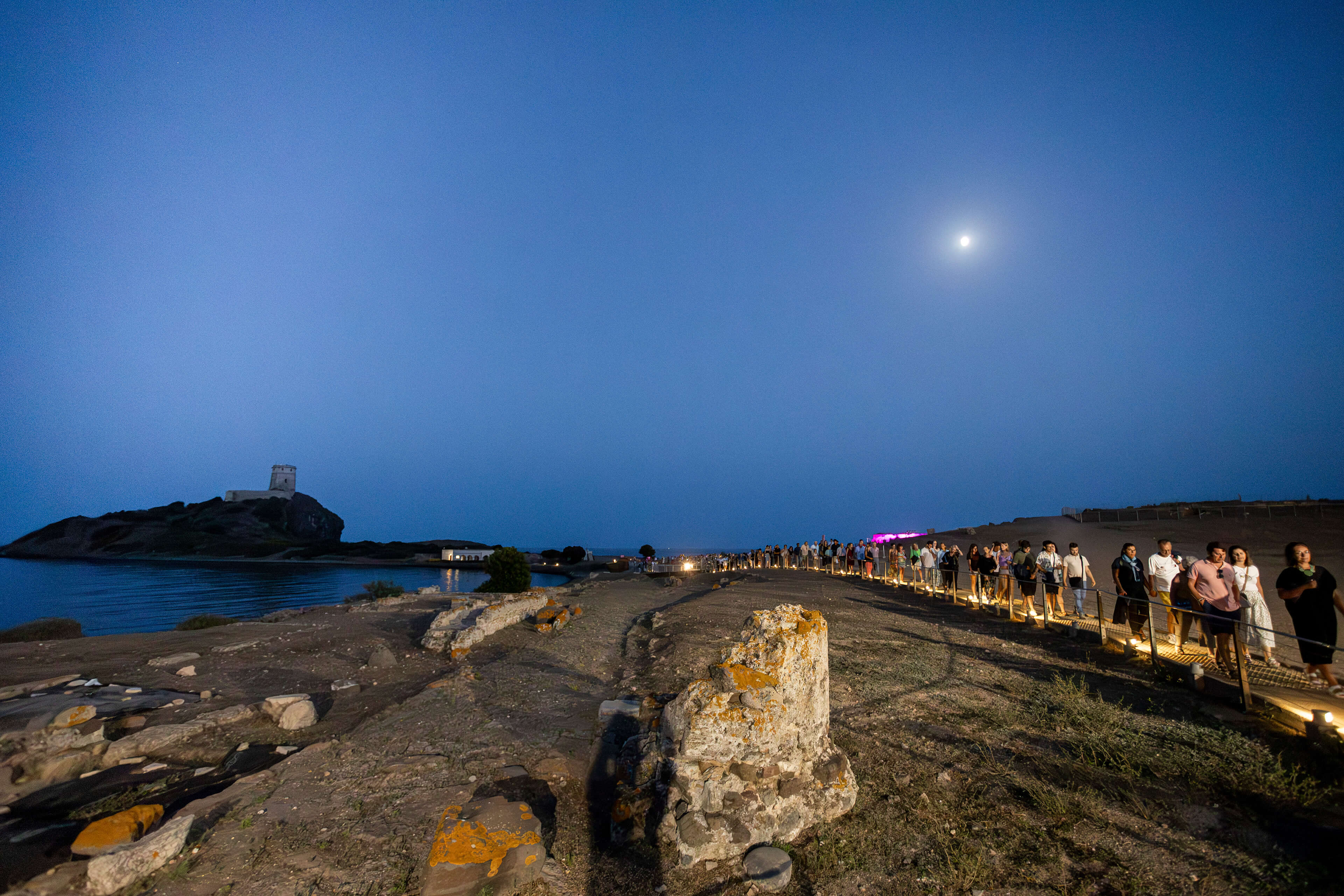
The Municipality of Pula lies about 40 km from the city of Cagliari, on the southwestern coast of Sardinia. Despite its growing popularity as a tourist destination, the village has managed to preserve its characteristic historical centre almost intact.
Corso Vittorio Emanuele, 28, 09010 Pula CA, Italia
Phone:
+39 07092440219
Email:
contatti@comune.pula.ca.it
Website:
https://www.comune.pula.ca.it
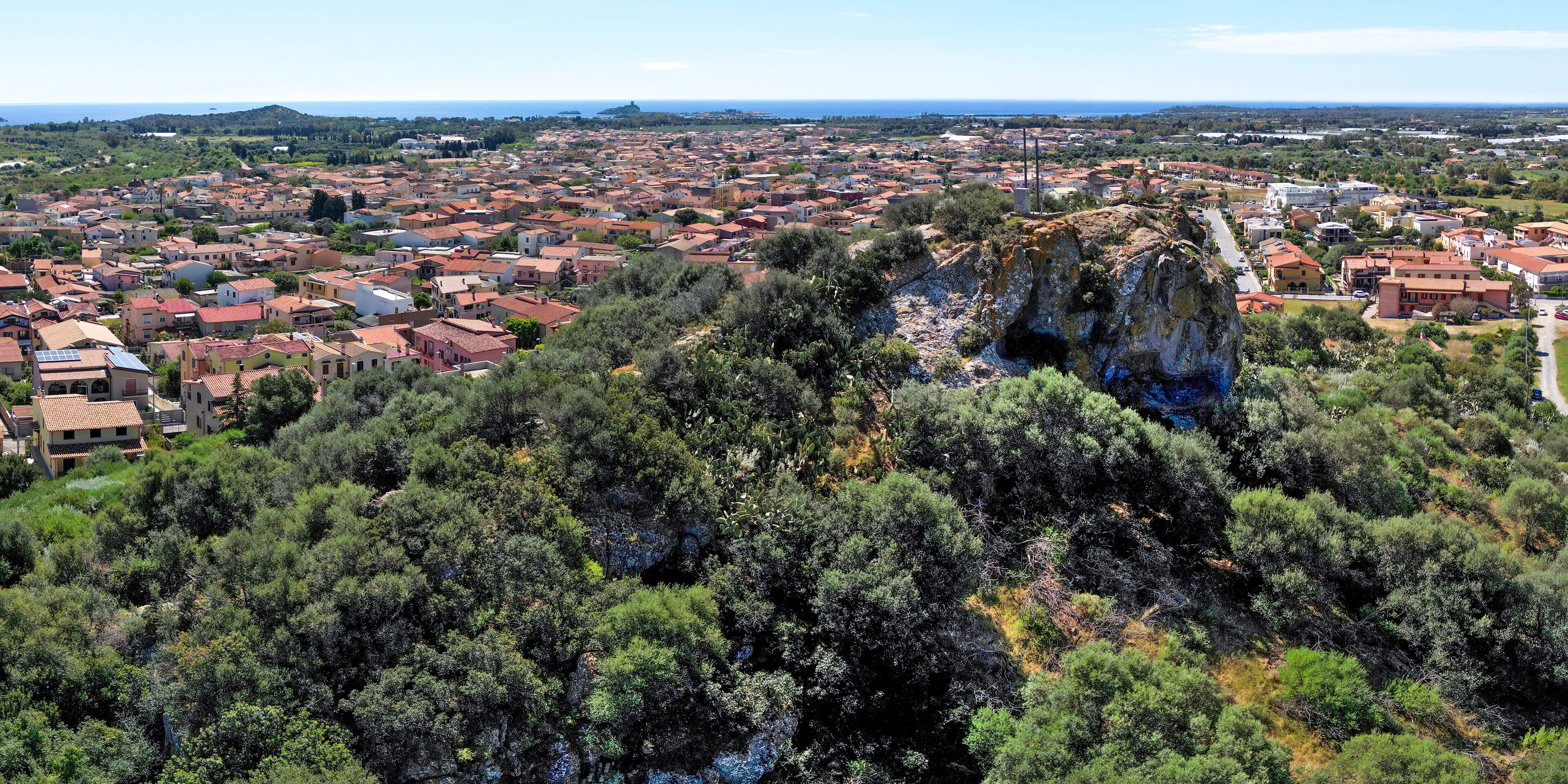
The first settlement was probably developed around the 10th century AD, at the height of the Middle Ages, when repeated pirate raids had made the nearby city of Nora unsafe. A new village was chosen inland and sheltered, on the western side of the river Riu Pula.
The town's ancient buildings embrace an extensive area, from north to south, tracing an ideal path from the current town hall to the town of Nora, passing by the parish church of San Giovanni Battista.
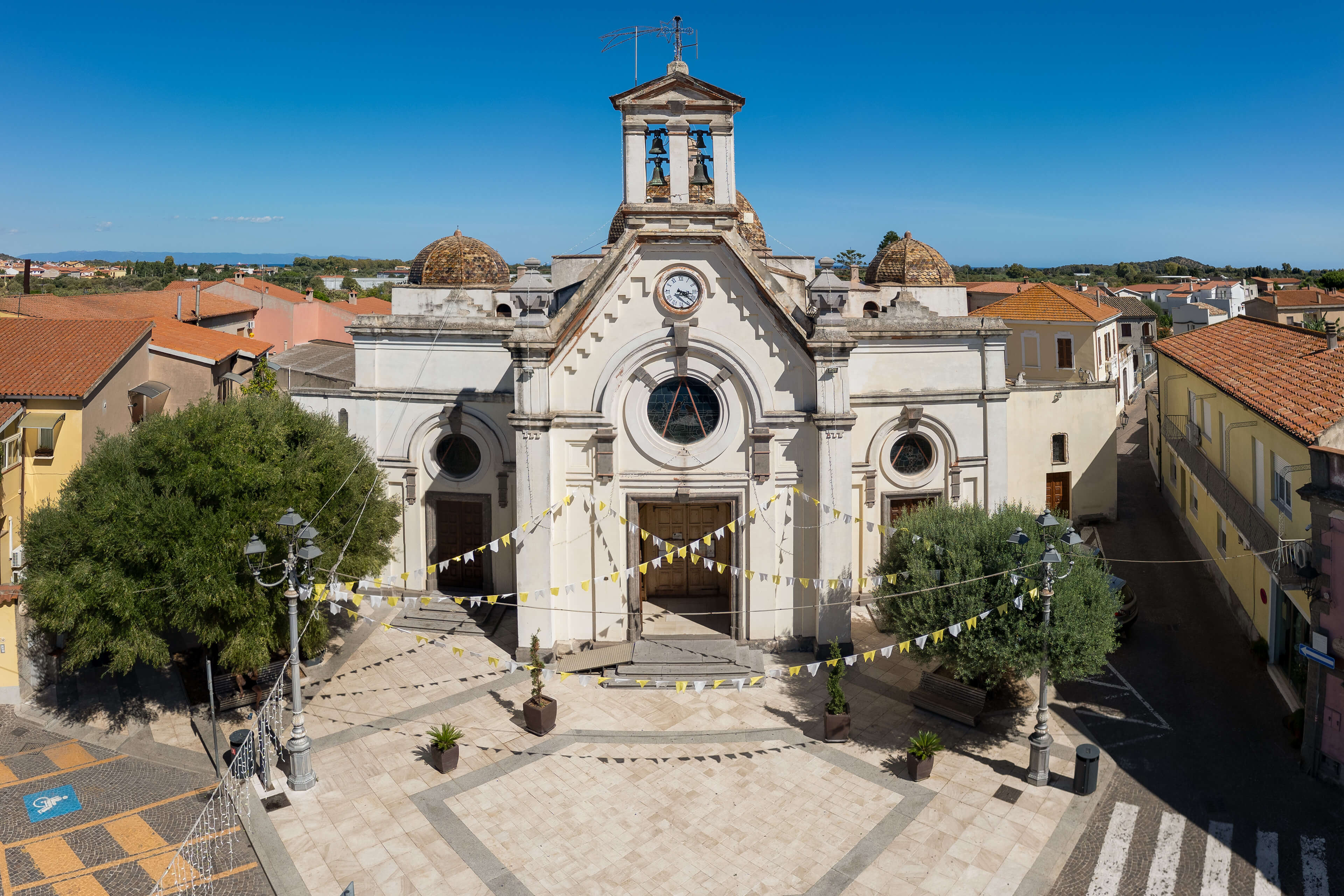
The streets of the village feature brilliant and skilfully preserved examples of buildings known as ‘case campidanesi’. Typical of southern Sardinia, these dwellings were built with walls of ladiri (sun-baked mud adobe) framing a central courtyard. ‘Casa Frau’, in the central Piazza del Popolo, is a fantastic example of this type of house.
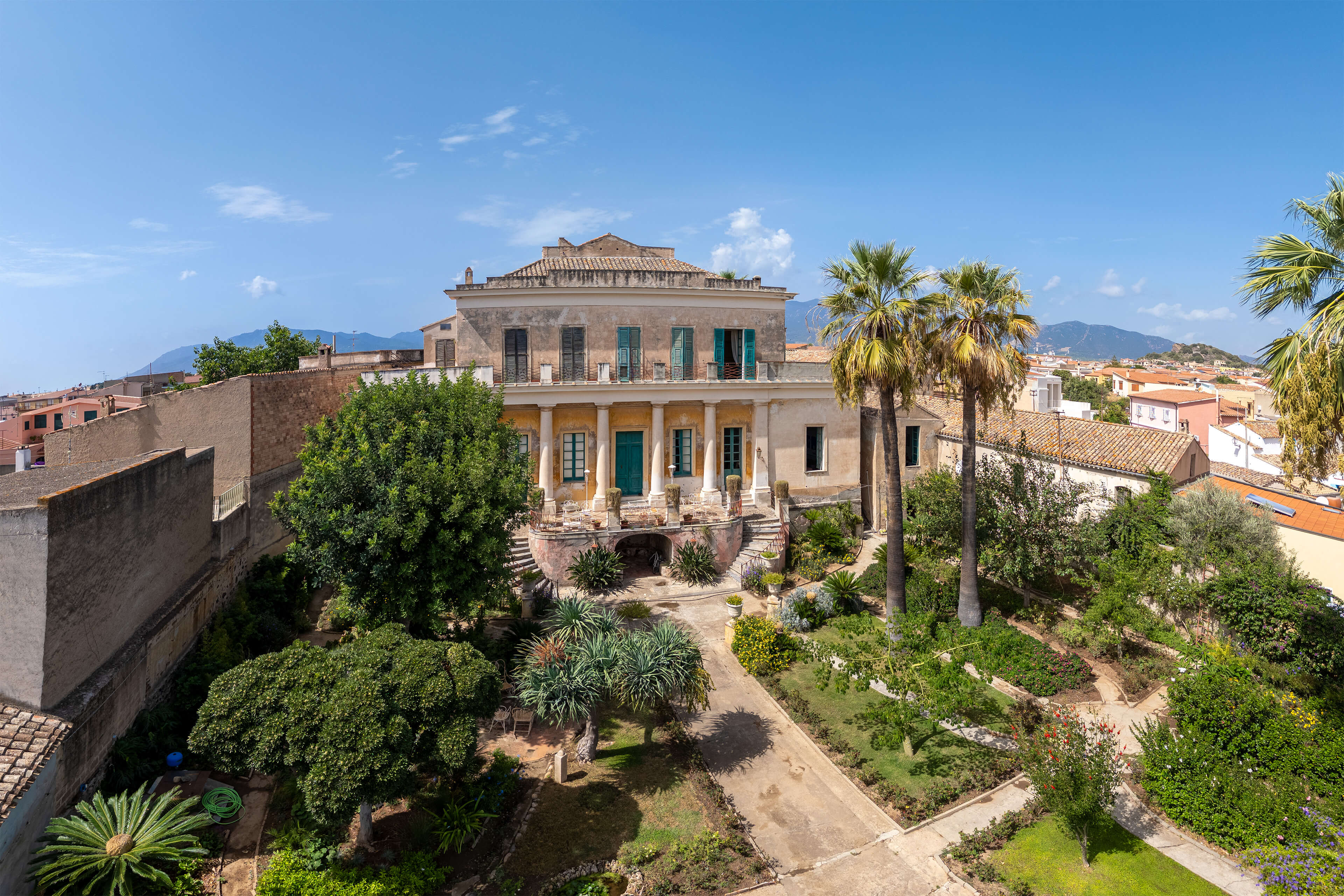
But the town centre also boasts elegant buildings of the old bourgeoisie, like the ‘Villa Santa Maria’, an aristocratic residence built in 1838 by the famous local architect Gaetano Cima.
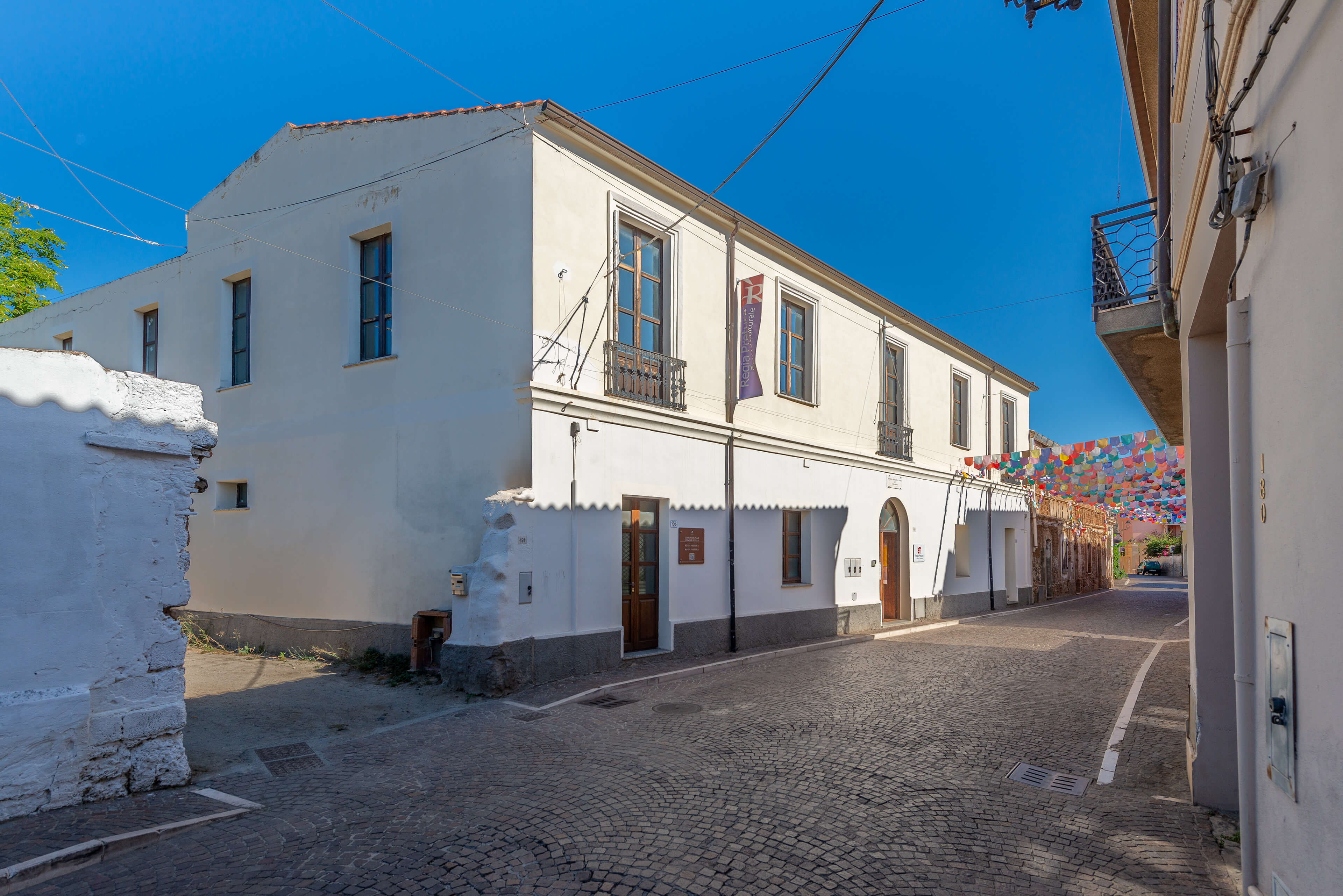
Another 19th century building is the palazzo known as the ‘ex-pretura regia’ (Former Royal Courthouse). The building later became the seat of the municipal council and then hosted elementary and secondary schools. Despite the alterations made to adapt the structure to its varying uses over time, one of its three prison cells is still in excellent condition today.
The local district of Pula covers about 140 square kilometres and borders the municipalities of Santadi, Sarroch, Domus de Maria, Villa San Pietro and Teulada. The earliest traces of human settlement date back to the Neolithic period with the menhir of Punta de Pisolu, erected around the fifth millennium B.C. The Eneolithic village of s'Abuleu was probably built during the late Copper Age (fourth millennium B.C.), while several nuraghi and tombs of the giants bear witness to local settlements between 1600 and 1400 B.C.
The best-known archaeological site, however, is undoubtedly the Punic-Roman city of Nora, founded around the 8th century B.C. between a lagoon and a promontory overlooking the sea. During the Spanish era, which ran between 1500 and 1600, pirate raids were so common that the watchtowers of Coltellazzo, Cala d'Ostia and San Macario were built to protect the coast.
As in the neighbouring municipalities, the landscapes are those of a varied unique environment. In the north-west, we find high granite mountains and the forests of Is Cannoneris and Piscina Manna, the habitat of the Sardinian deer. The south-east area features the plains of fertile land exploited since ancient times for agricultural and pastoral activities and, of course, the coast, with crystal-clear waters and wide, long beaches of white and golden sand, as in the well-known resort of Santa Margherita di Pula.
Map
Discover the Attractions

Baia d’Agumu
Baia d'Agumu is an interesting coastal locality in southern Sardinia, south-west of Pula, and just north of Santa Margherita.

Beach of Calaverde
The beach of Cala Verde (or Calaverde) is part of the hamlet of Santa Margherita di Pula in southern Sardinia.

Beach of Campu Matta
The beach of Campu Matta is located in the municipality of Pula, in southern Sardinia, in the coastline of Santa Margherita.

Beach of Is Figus
The beach of Is Figus is located within the municipal territory of Pula, in southern Sardinia, a short distance from the archaeological ruins of the Punic-Roman city of Nora and the Romanesque church of Sant'Efis, famous for its religious festival of the same name.

Beach of Is Morus
Located in the coastline of Santa Margherita di Pula, the beach of Is Morus is one of the best-known beaches of southern Sardinia.

Beach of Nora
The beach of Nora is located within the municipal territory of Pula in southern Sardinia.

Beach of Perla Marina
The beach of Perla Marina, located at Santa Margherita di Pula, in southern Sardinia, is one of the largest in the area.

Cala Marina beach
Cala Marina beach is located near the well-known seaside resort of Santa Margherita di Pula in southern Sardinia.

Church of San Raimondo
In the southeastern part of the town of Pula, right by the road leading to the church of Sant'Efis in Nora, stands the church of San Raimondo (St Raymond Nonnatus).

Church of Sant’Efis
The Church of Sant’Efis the Martyr is located near the ancient Punic-Roman town of Nora.
Feast of San Giovanni Battista
The festival dedicated to St John the Baptist, patron saint of Pula, takes place from 21 to 24 June.
Festival of San Raimondo
Every year, during the fourth week of August, the town celebrates San Raimondo.
Festival of Santa Margherita di Pula
Santa Margherita is a locality in the municipality of Pula, in southern Sardinia, well known for its coastline, but also encompassing a very small village built around the parish church of Santa Margherita.

Festival of Sant’ Efis the Martyr
The festival in honour of Sant’ Efis is the most important sacred ceremony in the whole of Sardinia, and among the most important folk festivals in the western Mediterranean.

Foxi ‘e Sali
Foxi 'e Sali is a tourist destination located in the north-eastern part of Santa Margherita di Pula.

La notte dei poeti
For more than 40 years, the ancient Roman theatre of Nora, in the municipality of Pula, has been the enchanting setting of a spoken word event called La Notte Dei Poeti (The Night of the Poets).

Madonna del Mare
25 July 2010 marks a significant date for the municipality of Pula: this when the statue of the Madonna del Mare (Madonna of the Sea) was placed in the depths of the sea of Nora.

Nora Jazz Festival
The Nora Jazz Festival takes place at the archaeological site of Nora, a setting overlooking the beach.

Pinus Village
Pinus Village is a seaside village of holiday homes located in the southwestern end of Santa Margherita di Pula, on the island's southern coast.
Pula Dimensione estate
For more than 30 years, Pula Dimensione Estate has provided entertainment throughout the summer in the town of Pula and its surroundings.
Pularchàios
For over twenty years, in Pula, a very important cultural event has been held, known by the name Pularchàios.

Riu Alinu
In the north-western sector of the municipal territory of Pula, in the heart of the Is Cannoneris forest, lies the locality known as Riu Alinu.

Settlement of Nora
Nora is currently one of the most important and most visited archaeological sites on the island.

Su Casteddu
Su Casteddu is what remains of a small fortress on top of a hill of volcanic origin on the northern outskirts of the town of Pula.

Su Guventeddu
Su Guventeddu beach is located within the municipal territory of Pula, in southern Sardinia.
Su Stangioni Foxi
About 2 km east of the town of Pula in southern Sardinia, the locality of Su Stangioni Foxi is a beach about 500 metres long by about 20 metres wide.

Tower of Cala d'Ostia
Located in the southwestern part of the Pula area, the tower was built during the Savoy era, in 1774.

Tower of San Macario
The tower of San Macario stands on a small island about 500 metres off the coast of Pula, on the highest point of the cliff 15 metres above sea level.

Tower of St Efis or of the Coltellazzo
The tower is located on the Coltellazzo promontory, a short distance from the ruins of the city of Nora.