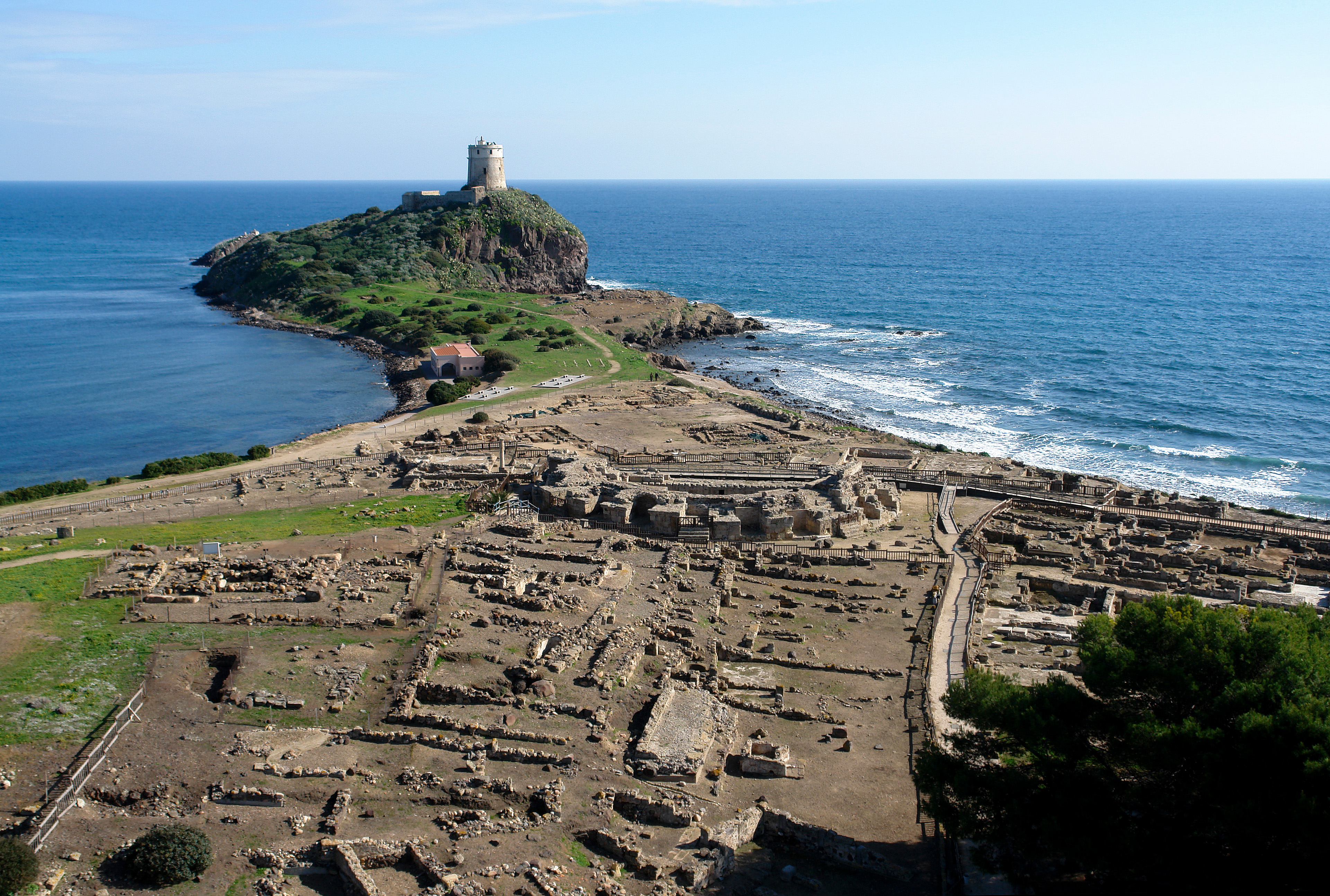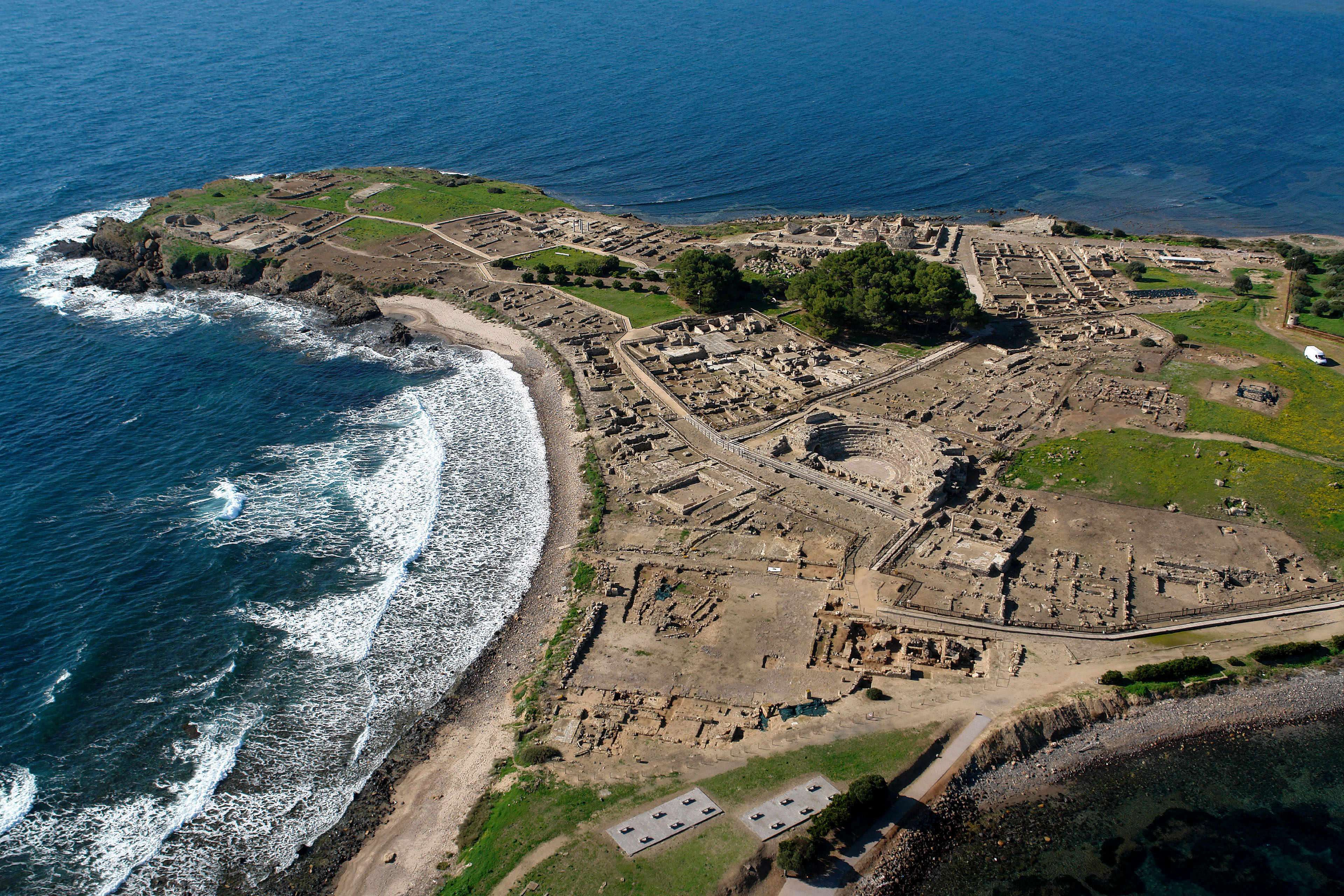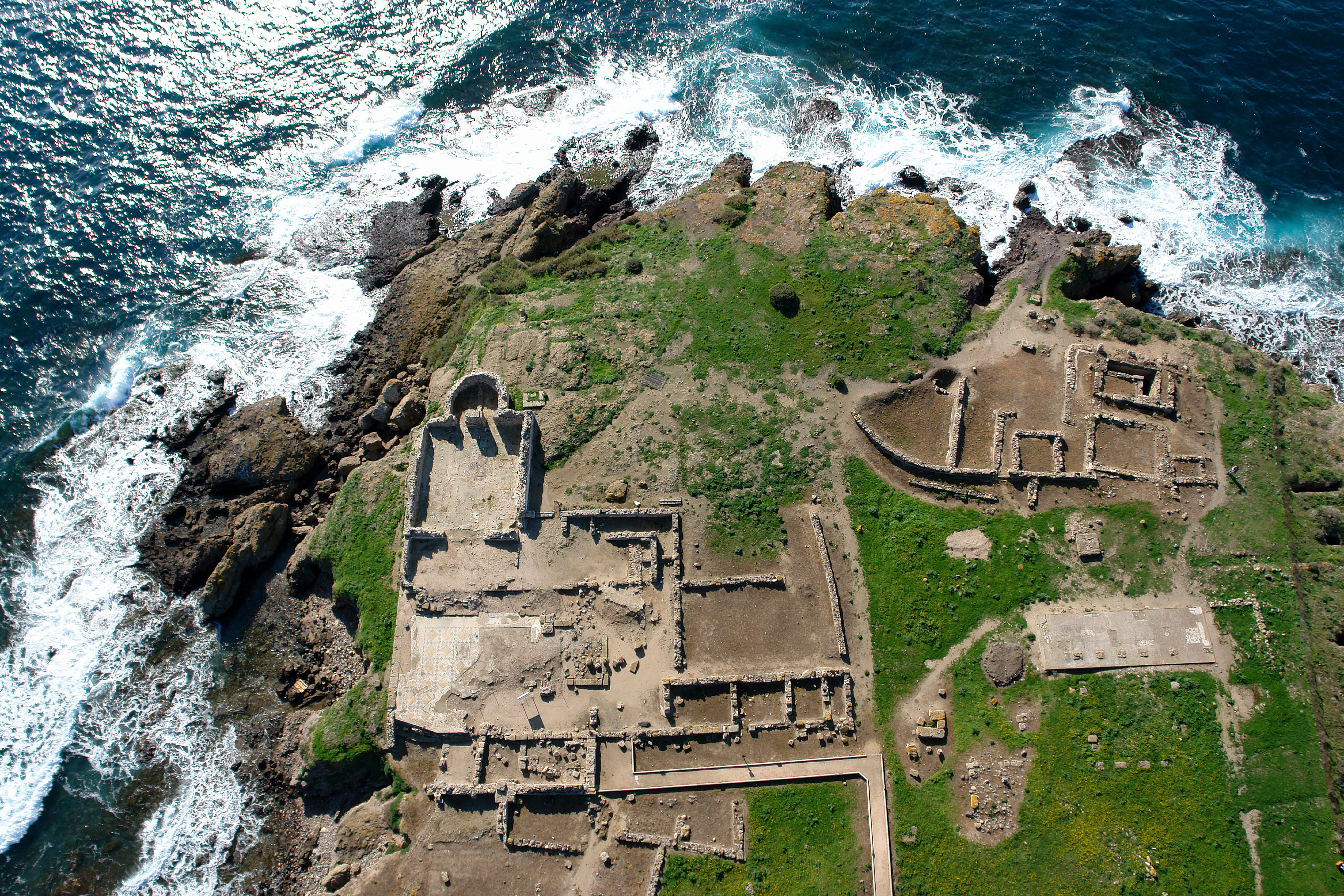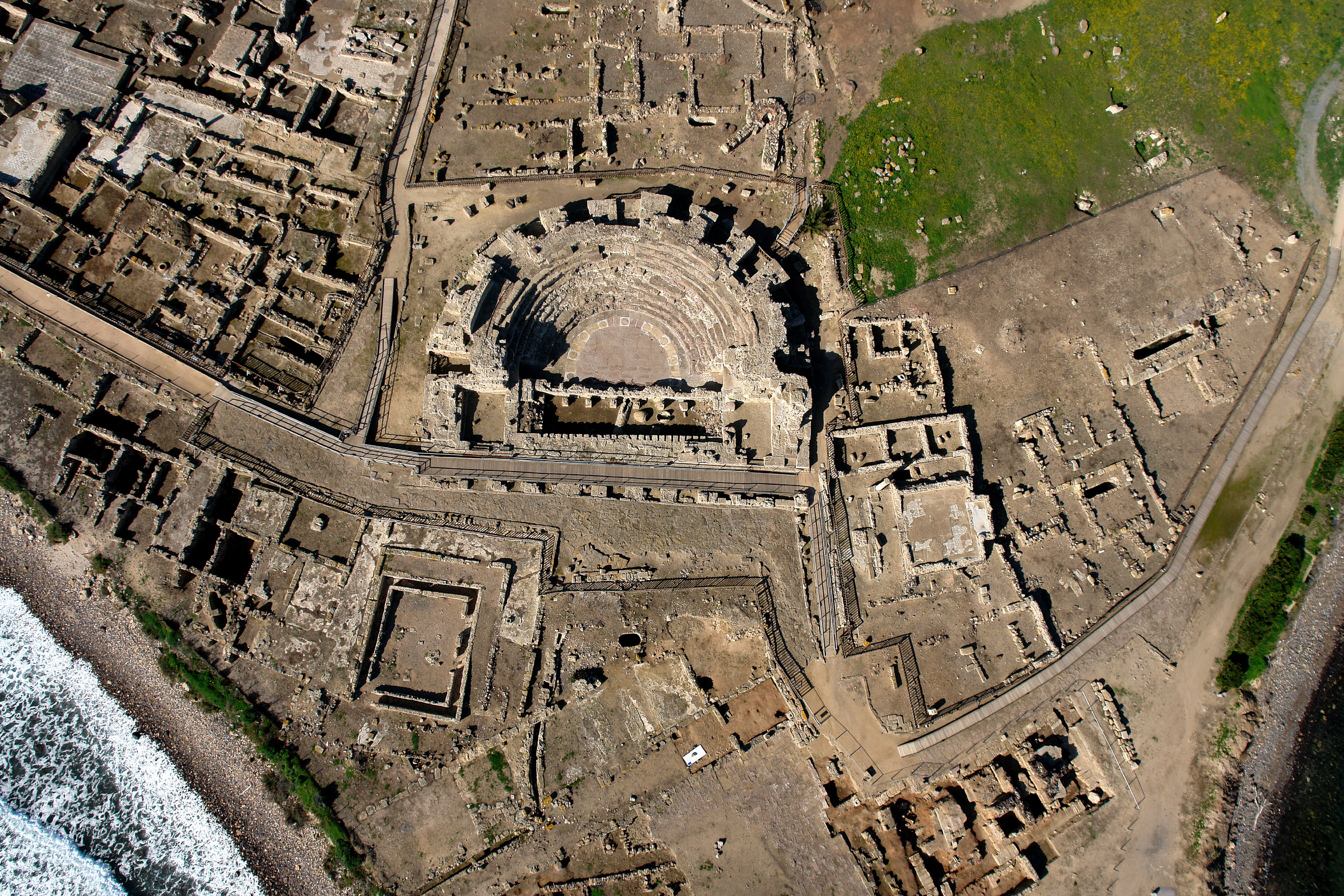
Nora is currently one of the most important and most visited archaeological sites on the island.
It was founded around the 8th century BC at a strategic point on the southern coast of the island, between a lagoon and a promontory overlooking the sea.
The area was previously inhabited by local people and in time became a powerful and wealthy city, first under the Carthaginian empire (5th century BC) and then under the rule of Rome (3rd century BC - 4th century AC). Nora was featured in ancient maps dating back to the Roman era, and its relevance increased after the discovery of the famous 'Stele of Nora' (the oldest written document in the western Mediterranean), in the mid-1700s. The site was brought to light in the late 1800s, after a sea storm brought to light the remains of the tophet (a sanctuary-cemetery for children from the Punic period).
The archaeological area offers visitors the chance to view several important structures, mostly dating back to Roman times. These include the remains of an aqueduct, thermal baths, a temple dedicated to Aesculapius; a thousand-seat theatre, an artisan quarter and stately homes. Undoubtedly, however, the most fascinating aspect of the site is the presence of splendid mosaics from the imperial age (1st-3rd centuries AC) that reflect the artistic influence of the city of Carthage.
Recent archaeological findings include a necropolis dating from the Phoenician period and a large, paved square (about 400 m2) with the remains of a fountain dating from the Roman period in the centre.
Near the town, you can visit the Spanish tower (Torre del Coltellazzo) and the Romanesque church dedicated to Sant'Efis (the saint of festival of the same name).
X2P8+8C, 09010 Pula CA, Italia
Phone:
+39 3296715230
Email:
fondazione@comune.pula.ca.it
Website:
https://www.fondazionepulacultura.it

Lunedì / Domenica 9:00 – 20:00
Accessibility: Good
Map
Does this corner of Sardinia inspire you? DiscoverPula
Multimedia