Place Details
Domus de Maria
Domus de Maria was likely founded in 1730, when the Scolopian Fathers arrived to protect the people of Bithia from pirate raids.
Via Garibaldi, 4, 09010 Domus De Maria SU, Italia
Phone:
+39 0709235015
Email:
domus.protocollo@globalcert.it
Website:
https://www.comune.domusdemaria.su.it
A monastery and a farm were established to exploit the territory, followed by several families from nearby areas forming the historic centre's first nucleus. Developed on the slopes of Monte Maria, the settlement was incorporated into the barony of Pula, belonging to the marquisate of Quirra, a feud firstly owned by the Centelles and then the Osorio family, to whom it was redeemed in 1839 with the suppression of the feudal system.
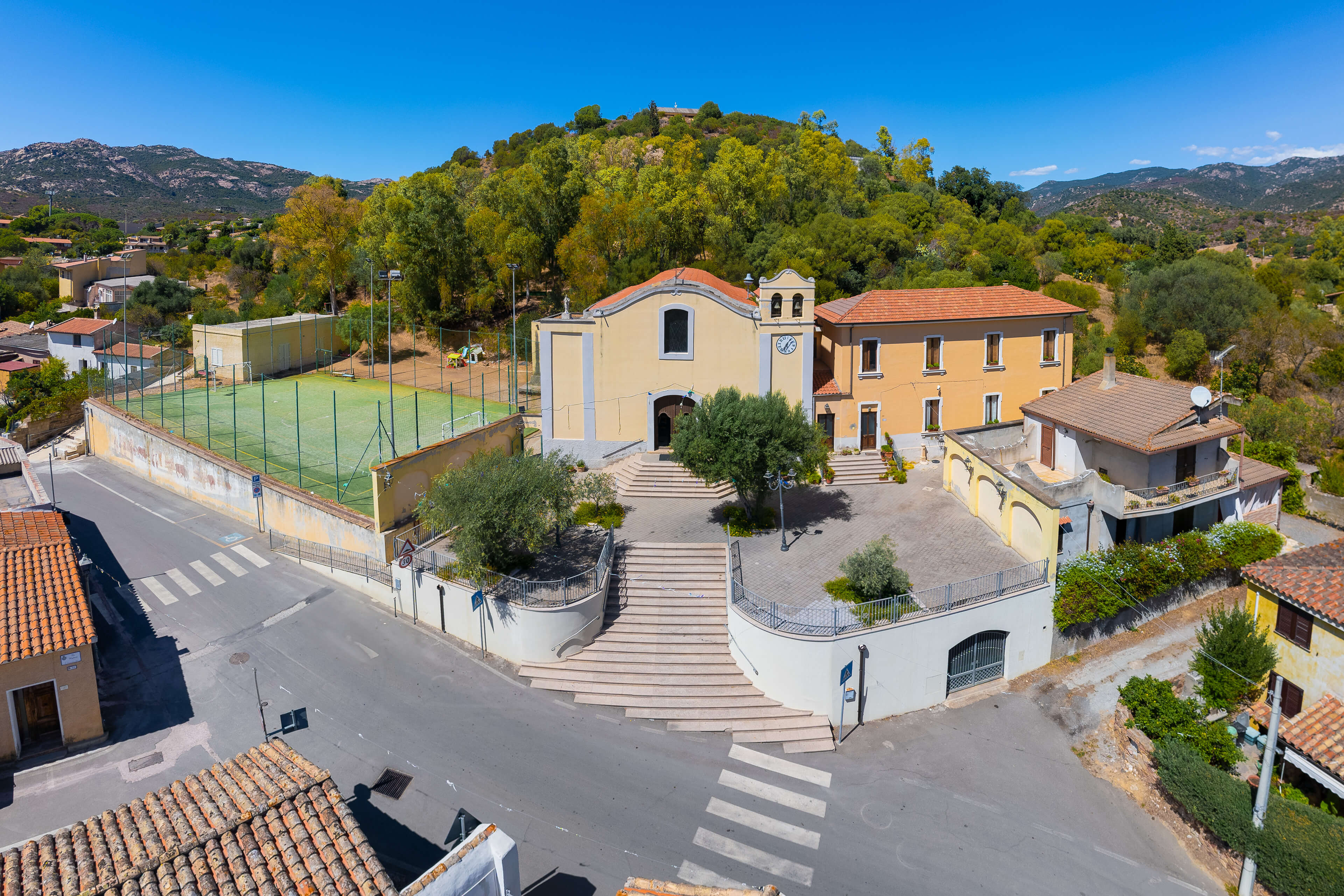
The parish church, located in the northern part of the town and dedicated to Nostra Signora del Rosario, is the town's major place of worship. Building began in May 1791, following the late Baroque architectural style characterized by a façade divided into three orders with a central portal surmounted by a window.
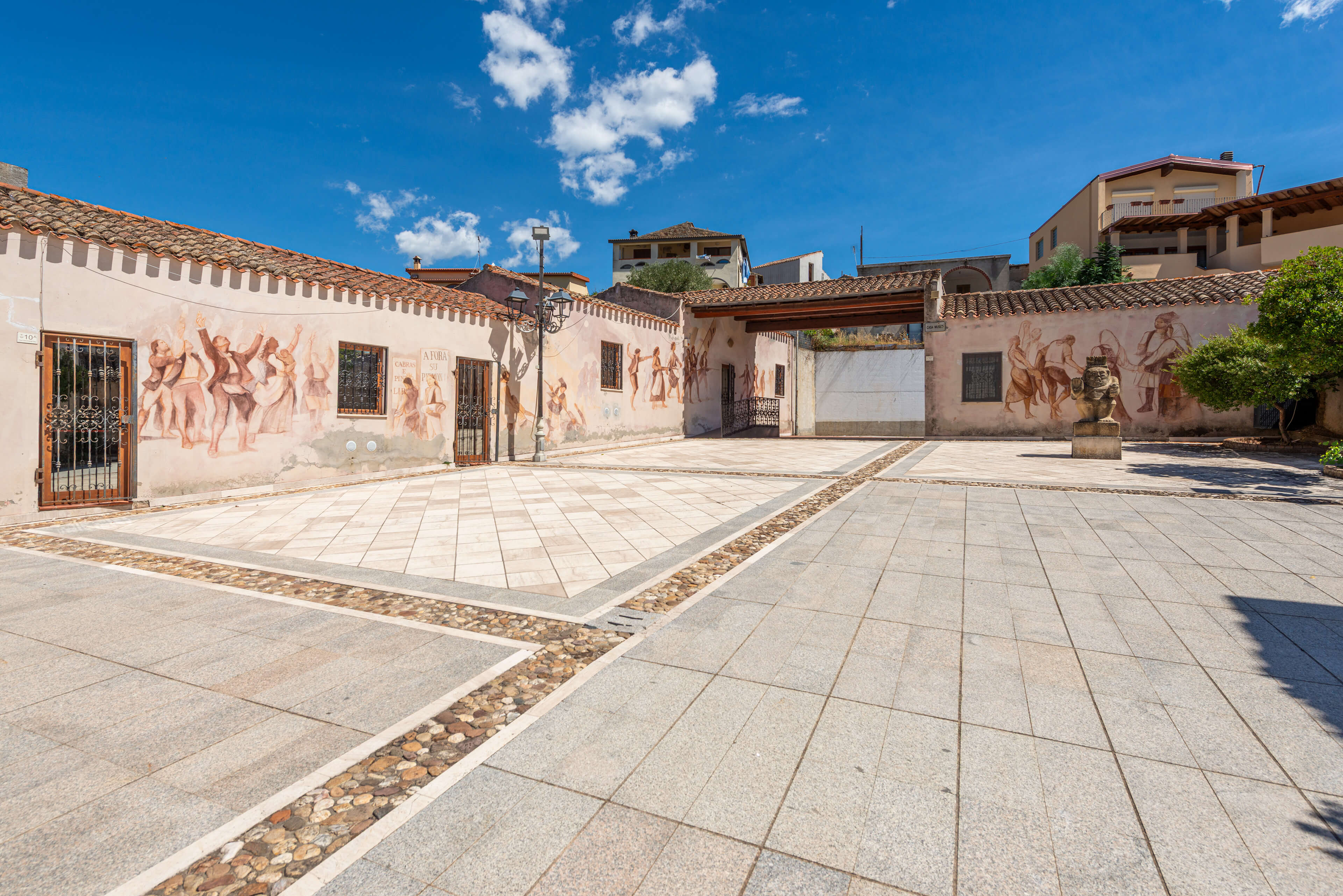
In the historic centre is an early 20th century building that housed the old town hall and its offices. The remarkable archaeological collection from the ancient city of Bithia can be admired in a late 19th century building in Piazza Vittorio Emanuele, also in the historic centre.
The war memorial, a stone sculpture made between 1945 and 1950 with the engraved names of soldiers who died in World War I and World War II, stands in the southwestern part of the town.
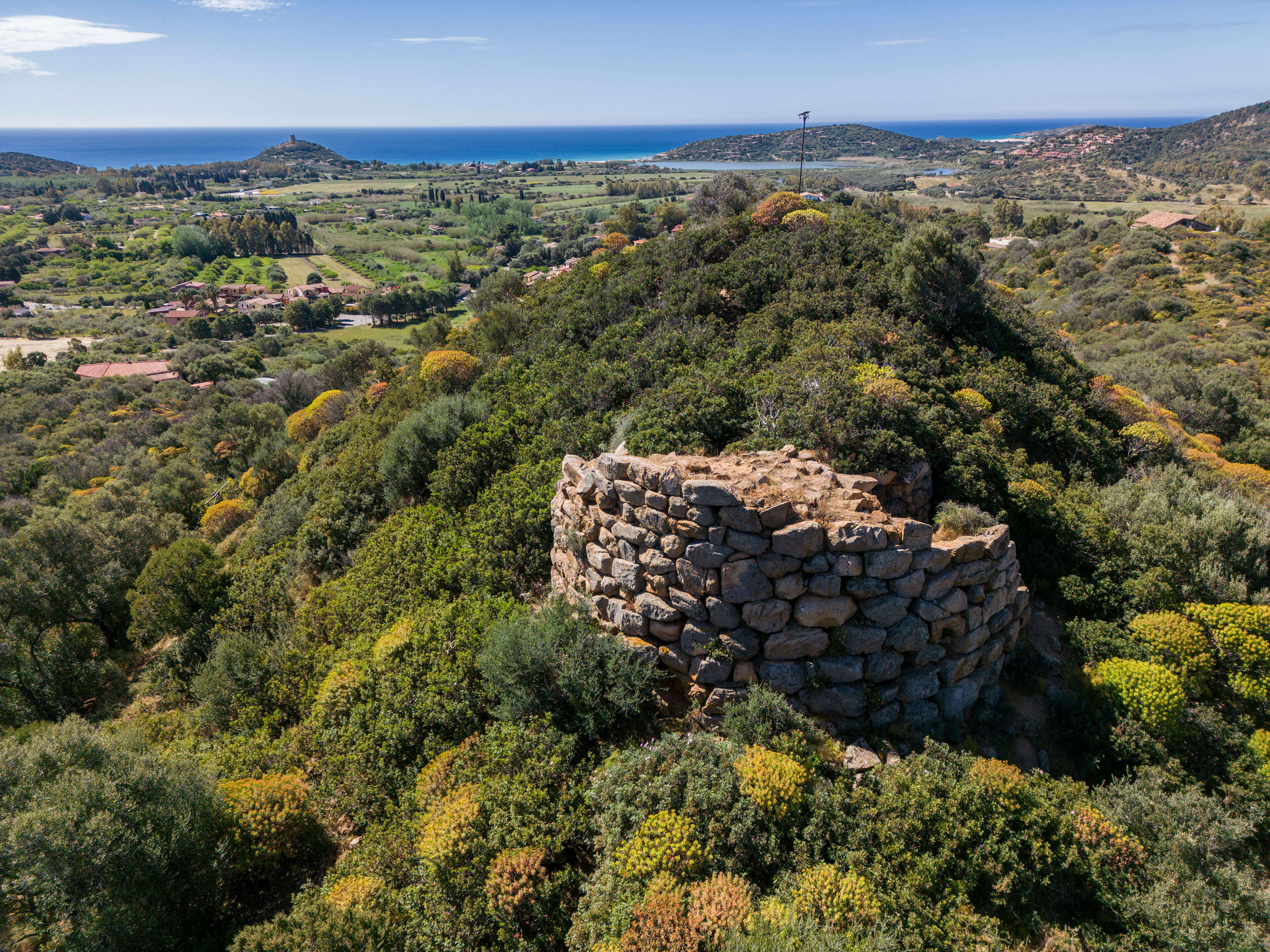
The local district of Domus de Maria, on the coast of southern Sardinia, covers about 100 square kilometres and borders the municipalities of Santadi, Pula and Teulada. Inhabited since the Bronze Age (c. 1800-1000 B.C.), it boasts numerous nuraghi and tombs of the giants scattered throughout its countryside and hills. The nuraghe Baccu Idda, with its four circular towers, is one of the best preserved.
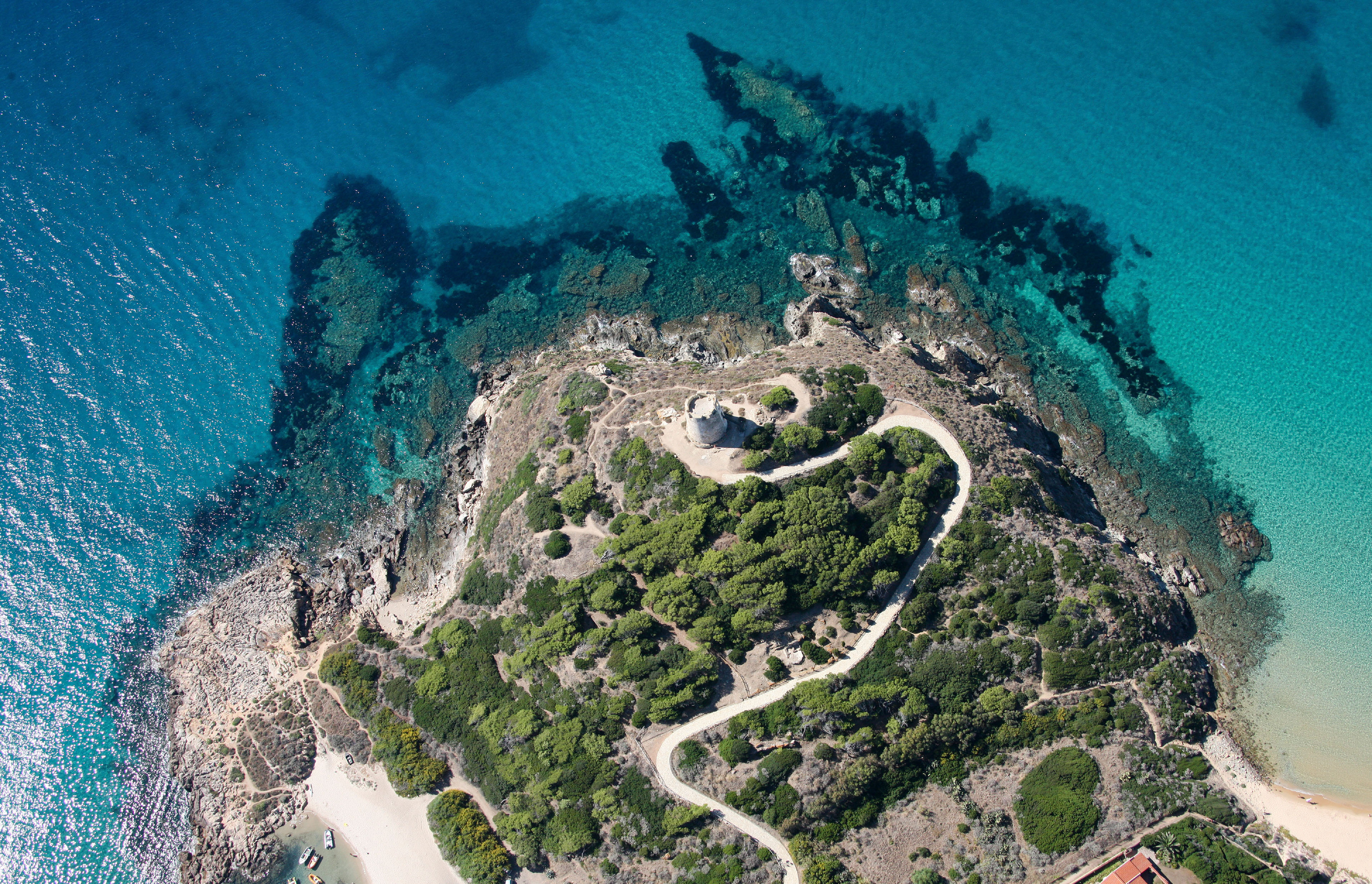
However, the best-known archaeological site is that of Bithia. Here, already in the early 20th century archaeologists found some traces of the settlement, temple and necropolis that were built around the 8th century B.C. (especially notable was the statue of the god Bes, now exhibited in the Archaeological Museum of Cagliari). The Torre di Chia was built during the Spanish era, in the late 1500s, and it stands 13 metres high with a diameter of 10 metres at the base. The lighthouse at Capo Spartivento, now a luxury hotel, dates to the second half of the 19th century.
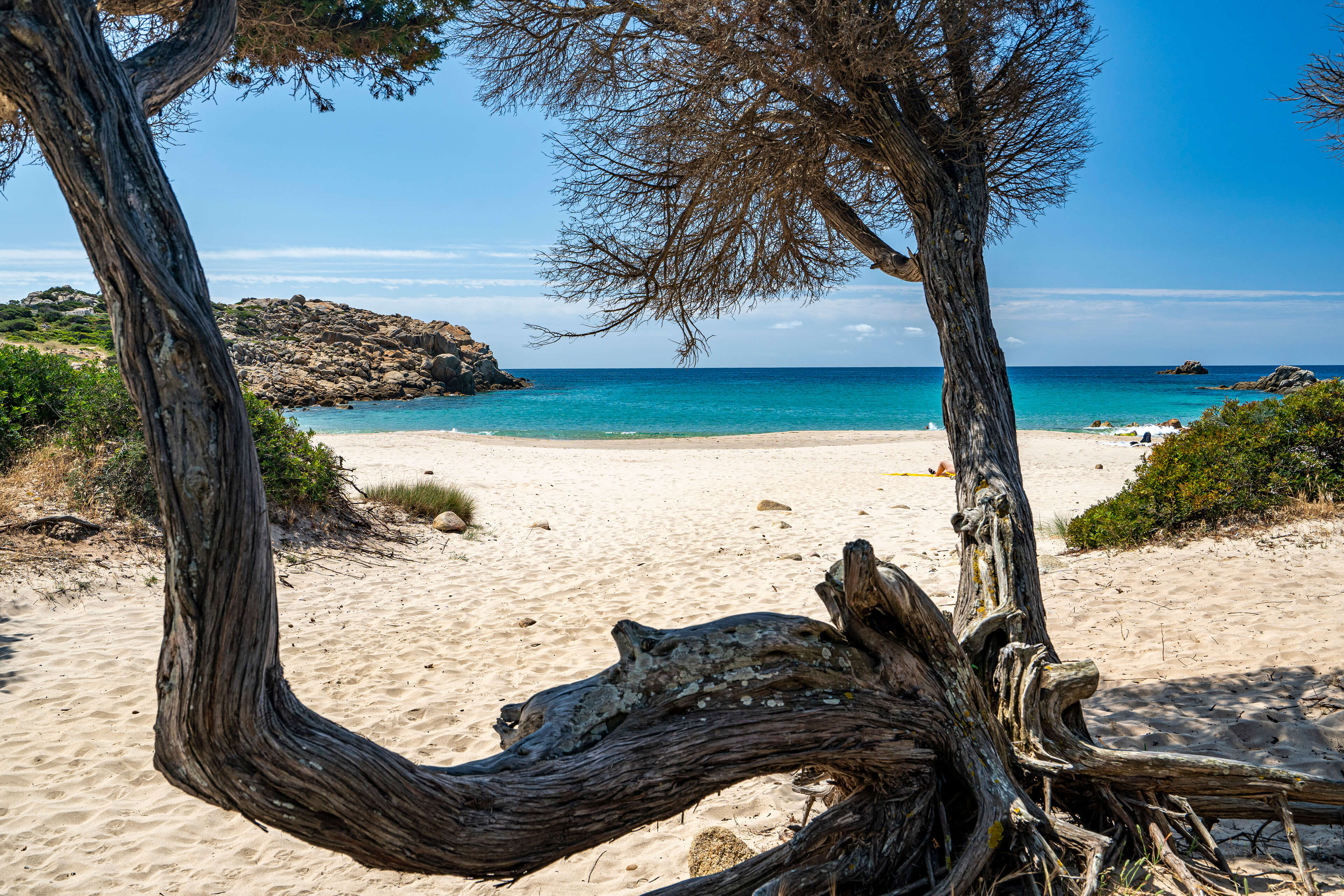
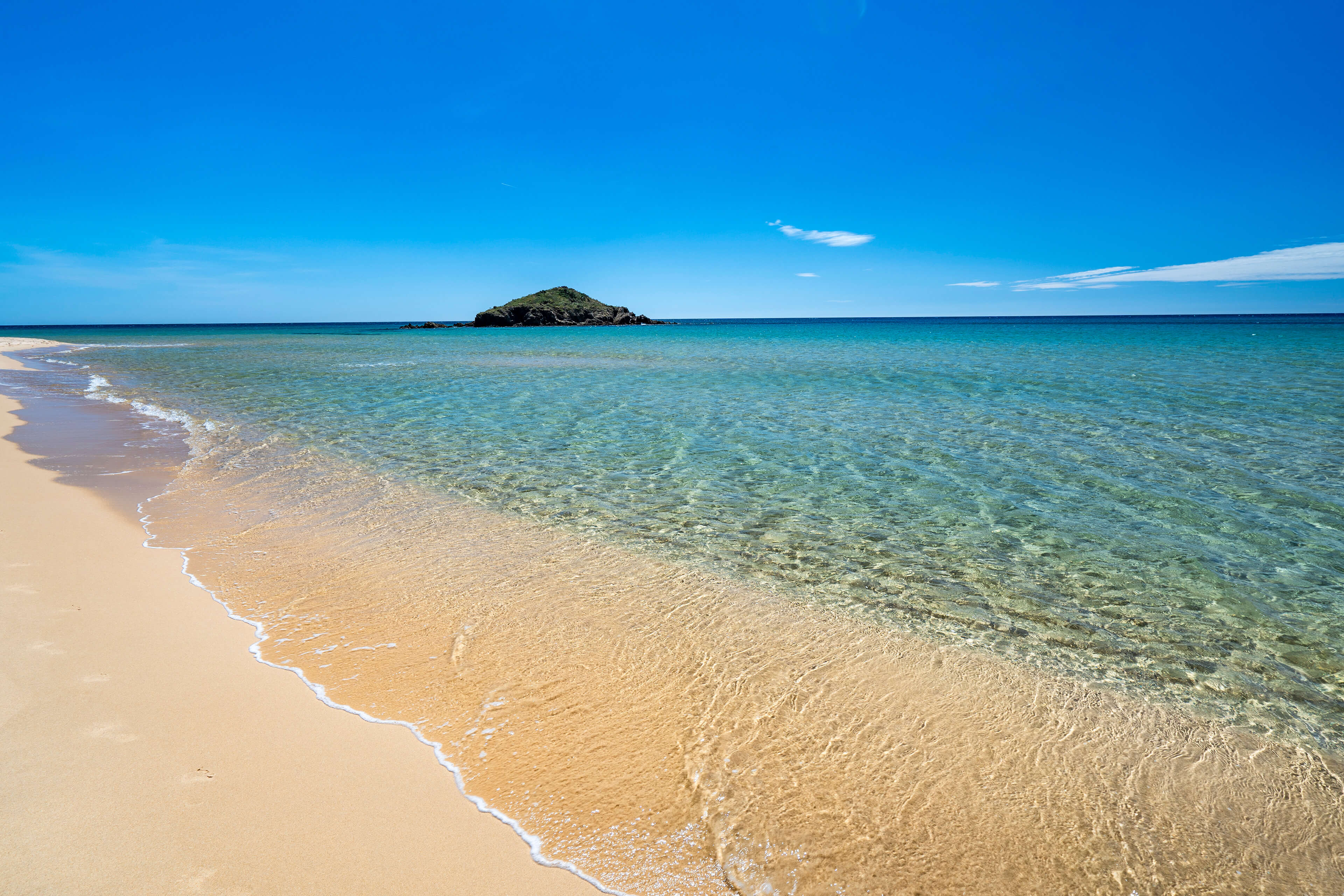
The area’s landscapes range from the high granite reliefs that host the extensive holm-oak forest of Is Cannoneris, to some of the most beautiful beaches in Sardinia: Chia, Sa Colonia, Su Portu, Cala del Morto, Campana, Su Giudeu and Cala Cipolla. In many of these beaches, tall dunes of white and golden sand are dotted with centuries-old junipers.
Map
Discover the Attractions

Acropolis of Bithia
The remains of the acropolis of Bithia stand on top of a promontory between the beach of Su Portu and that of Sa Colonia.

Beach of Campana Dune
Campana Dune is a beach on the renowned coastline of Chia, in southwestern Sardinia, within the municipal boundaries of Domus de Maria.

Beach of Campana Pontile
The beach of Campana Pontile is a cove on the renowned coastline of Chia, in southwestern Sardinia, within the municipal boundaries of Domus de Maria.

Beach of Monte Cogoni
Monte Cogoni is a beach on the renowned coastline of Chia, in southwestern Sardinia, within the municipal boundaries of Domus de Maria.

Beach of Piscinnì
Although the beach of Piscinnì is part of the municipality of Domus de Maria, it is located between Tuerredda and Capo Malfatano, which instead lie within the municipal boundaries of Teulada, in the southwestern tip of Sardinia.

Beach of Sa Colonia
The beach of Sa Colonia is part of the renowned coastline of Chia, a hamlet of Domus de Maria, in the southern part of Sardinia.

Beach of Su Giudeu
The beach of Su Giudeu is rated as one of the most beautiful ones around Chia, a hamlet of Domus de Maria in southern Sardinia.

Beach of Su Portu
The beach of Su Portu lies near Chia, within the municipal territory of Domus de Maria, at the southern tip of Sardinia.

Cala Cipolla
On the southwestern coast of Sardinia, a short distance from Capo Spartivento, is Cala Cipolla.

Cala del Faro
The cove is named after its 19 metres high lighthouse, one of the oldest in Italy, which was built on the cliff by the Italian Navy at the behest of King Victor Emmanuel II of Savoy in 1866.

Cala del Morto
Loosely translated as Cove of the Dead, this beach is located in the protected natural area of Chia, in the municipality of Domus de Maria, on the southwestern coast of Sardinia.
Caletta della Torre
On the southwestern coast of Sardinia, within the territory of Domus De Maria, is the small Caletta della Torre, about 500 metres northwest of the lighthouse of Capo Spartivento.

Casa Museo (Historic House Museum)
A late 19th century building in the central Piazza Vittorio Emanuele, in Domus de Maria.

Complesso del Faro di Capo Spartivento
In a cove on the eastern edge of the Gulf of Teulada, at Capo Spartivento in the protected natural area of Chia, stands the lighthouse of the same name, one of the oldest in Italy and still in operation.
Feast of the Madonna del Rosario
The feast of the Moadonna del Rosario celebrates the patron saint of the town of Domus de Maria.

Feast of the Spirito Santo
The feast of the Spirito Santo takes place over the Pentecost weekend in Domus de Maria.

Fig Festival
Fig trees are unmissable in the locality of Chia, and fig farming is the most important economic industry after tourism.
Note di Settembre
For the last decade, early September has brought the annual appointment with Note di Settembre (September Notes), an archaeological event celebrating the amazing heritage of Domus de Maria.

Nuraghe Baccu Idda
The Nuraghe Baccu Idda stands on the top of a granite promontory of modest height (80 metres above sea level) in the northern part of the area around Chia.

Sacred area of Su Cardolinu
The islet of Su Cardolinu (in Sardinian: the mushroom) lies about 300 metres from the beach of Su Portu, around Chia (Domus de Maria).

Semaforo of Capo Spartivento
Inland, a few kilometres from the coast, are the ruins of an ancient semaphore station dating back to the second half of the 19th century.

Strada romana
On the coast of the territory of Domus de Maria, one can still admire a long stretch of a roadway dating back to Roman times.

Tower and monumental remains of ancient quarries at Pixinnì
On the coastal stretch of the Municipality of Domus de Maria, on a promontory between Capo Malfatano and Tuerredda, stands the Tower of Piscinnì (or Pixinnì).

Tower of Chia
The Tower of Chia stands at the top of a promontory between the beaches of Su Portu and Sa Colonia, where the Punic-Roman city of Bithia once rose.