Place Details
Sarroch
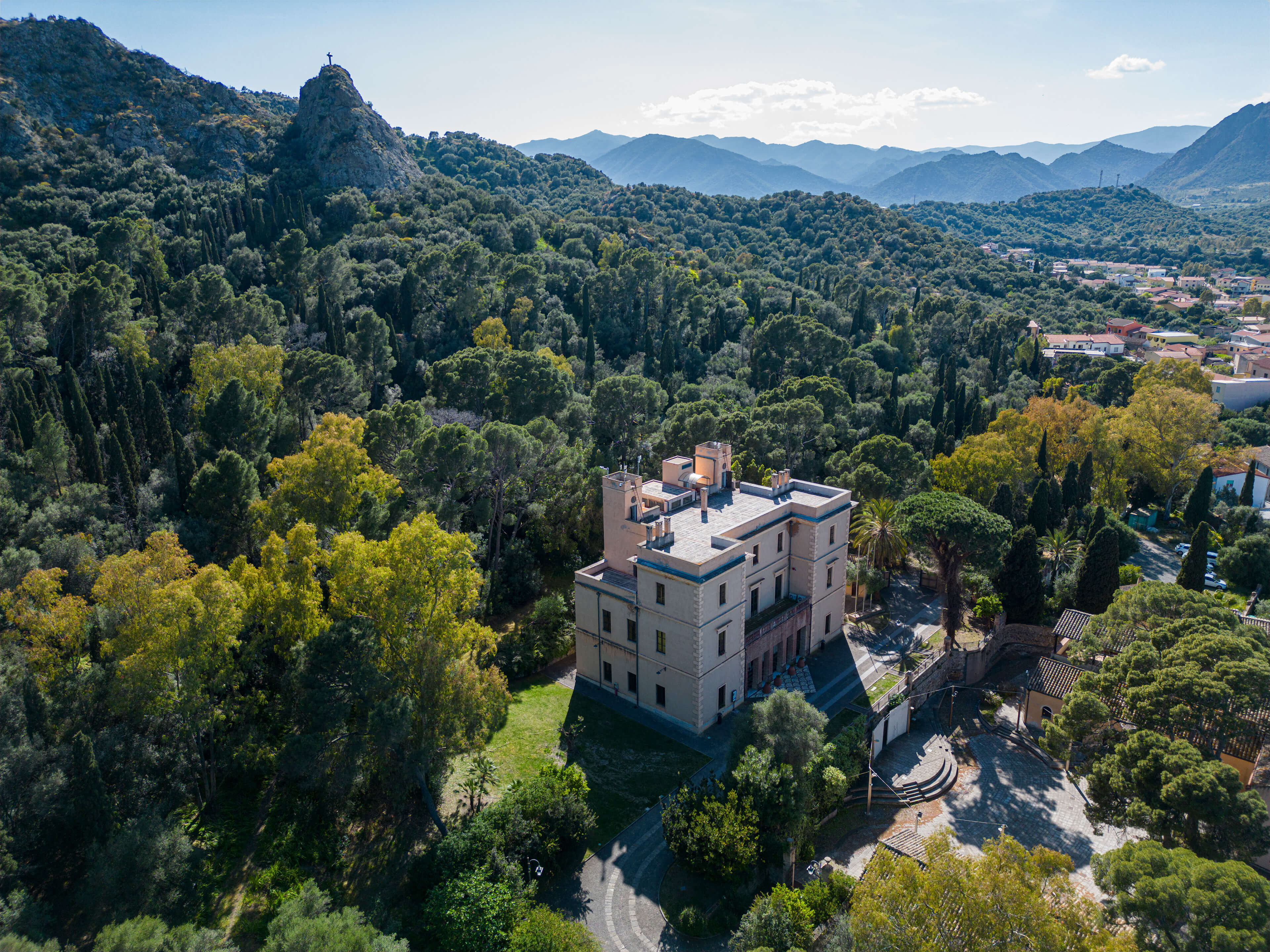
Located in the western part of the Golfo degli Angeli, on the southwestern coast of Sardinia. The small town of Sarroch lies on a Quaternary-era plain at the foot of a modest relief of volcanic origin.
Via Siotto, 2, 09018 Sarroch CA, Italia
Phone:
+3907090926200
Email:
urp@comune.sarroch.ca.it
Website:
https://comune.sarroch.ca.it
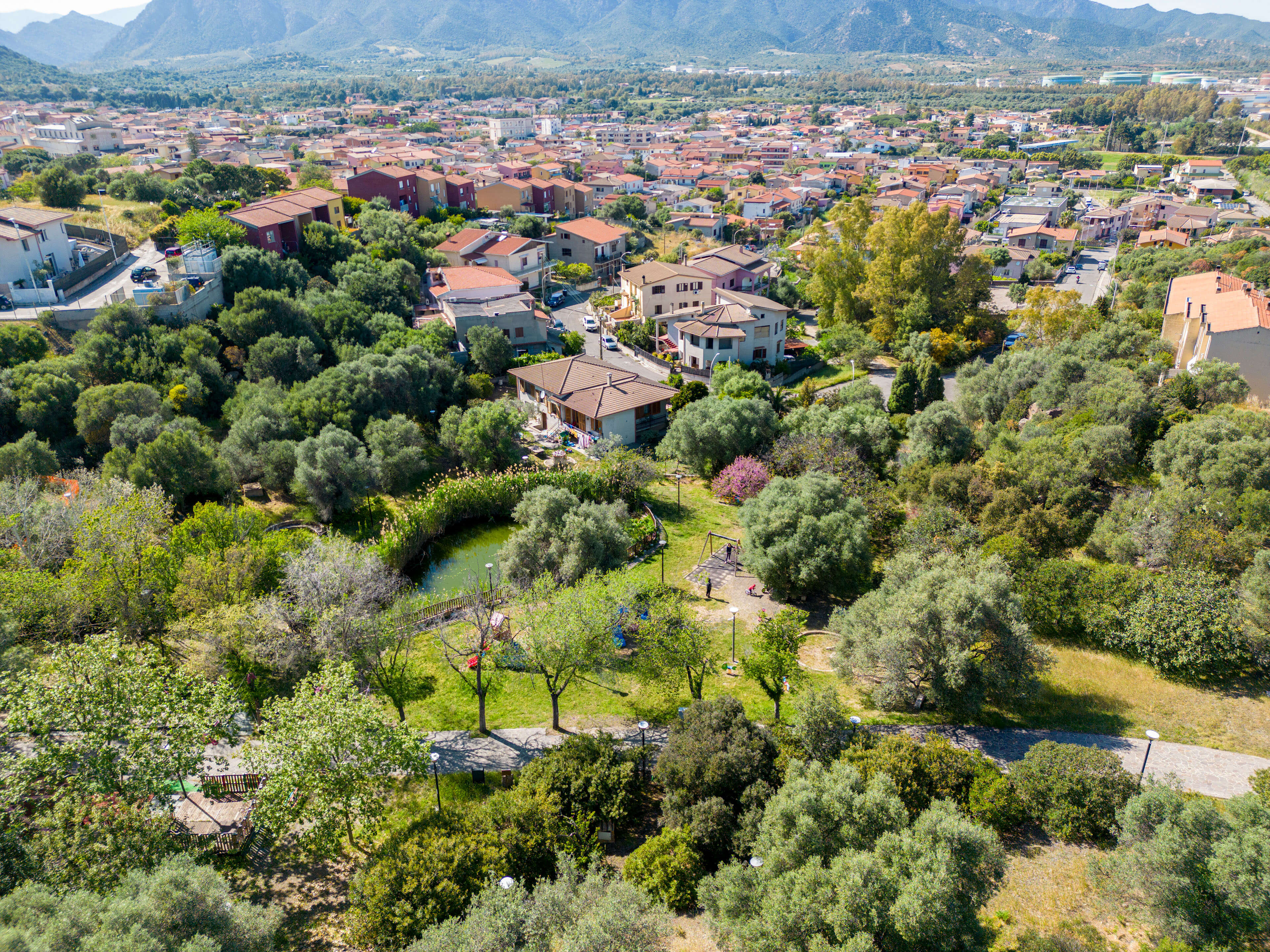
The town was founded around the 11th century AC, becoming part of the Giudicato of Cagliari with the name of San Rocco. After the fall of the Giudicato of Cagliari in 1258, it passed into the hands of the Della Gherardesca family of Pisan origin.
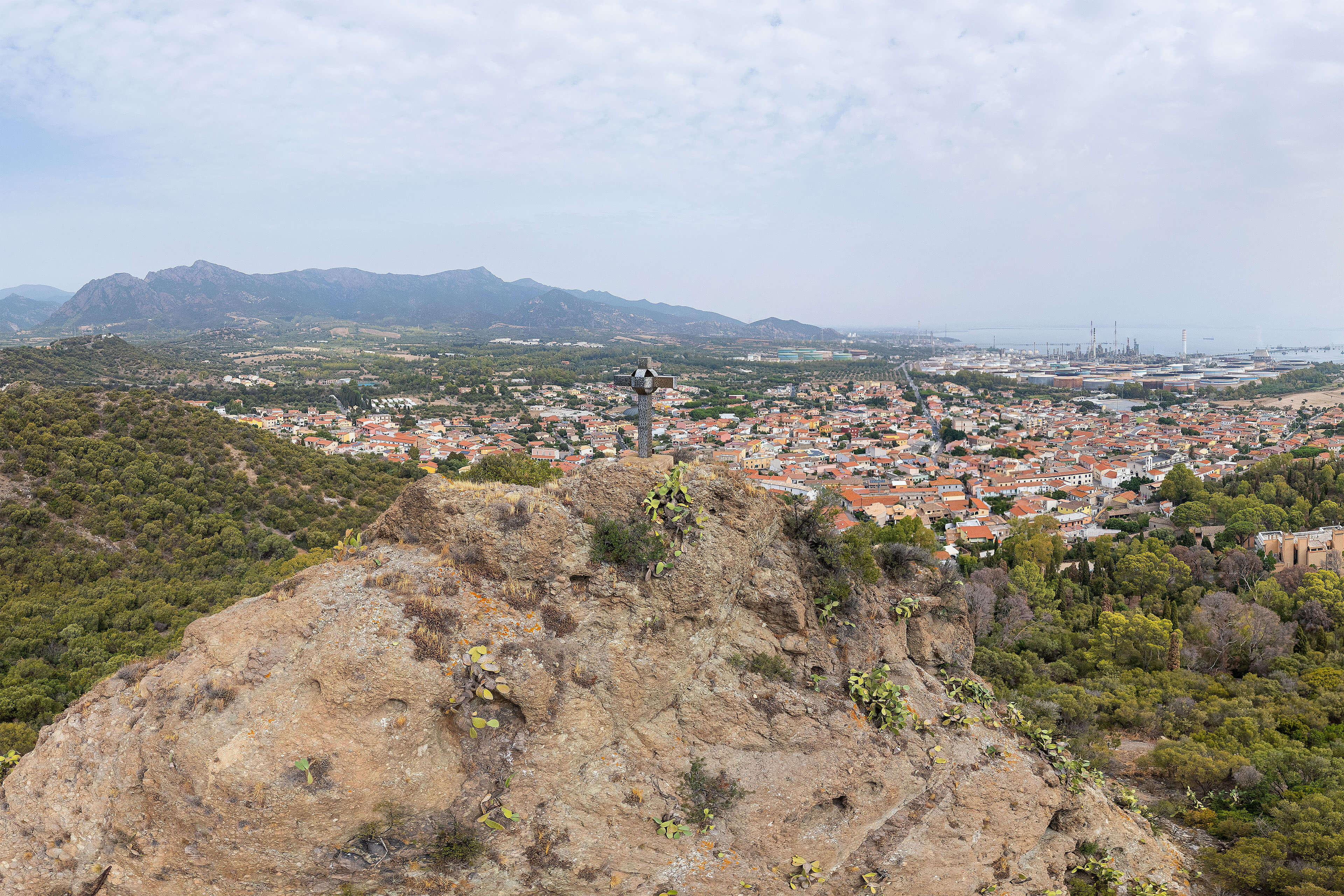
Later, with the Aragonese invasion in 1324, it was entrusted as a feud to various Spanish noble families. Just as the town began to depopulate following the frequent Barbary incursions. During the 17th century it was rebuilt and repopulated by peasants from the Gerrei area, in the safer inland location where it still stands today.
With the launch of the petrochemical industrial site in the late 1960s, Sarroch experienced a steady urban growth, which, however, did not alter its charming historic centre. This stretches around the parish church of Santa Vittoria, a neo-Baroque church from the early 18th century, and is bound by the Town Hall to the north and the ancient Villa Siotto to the south.
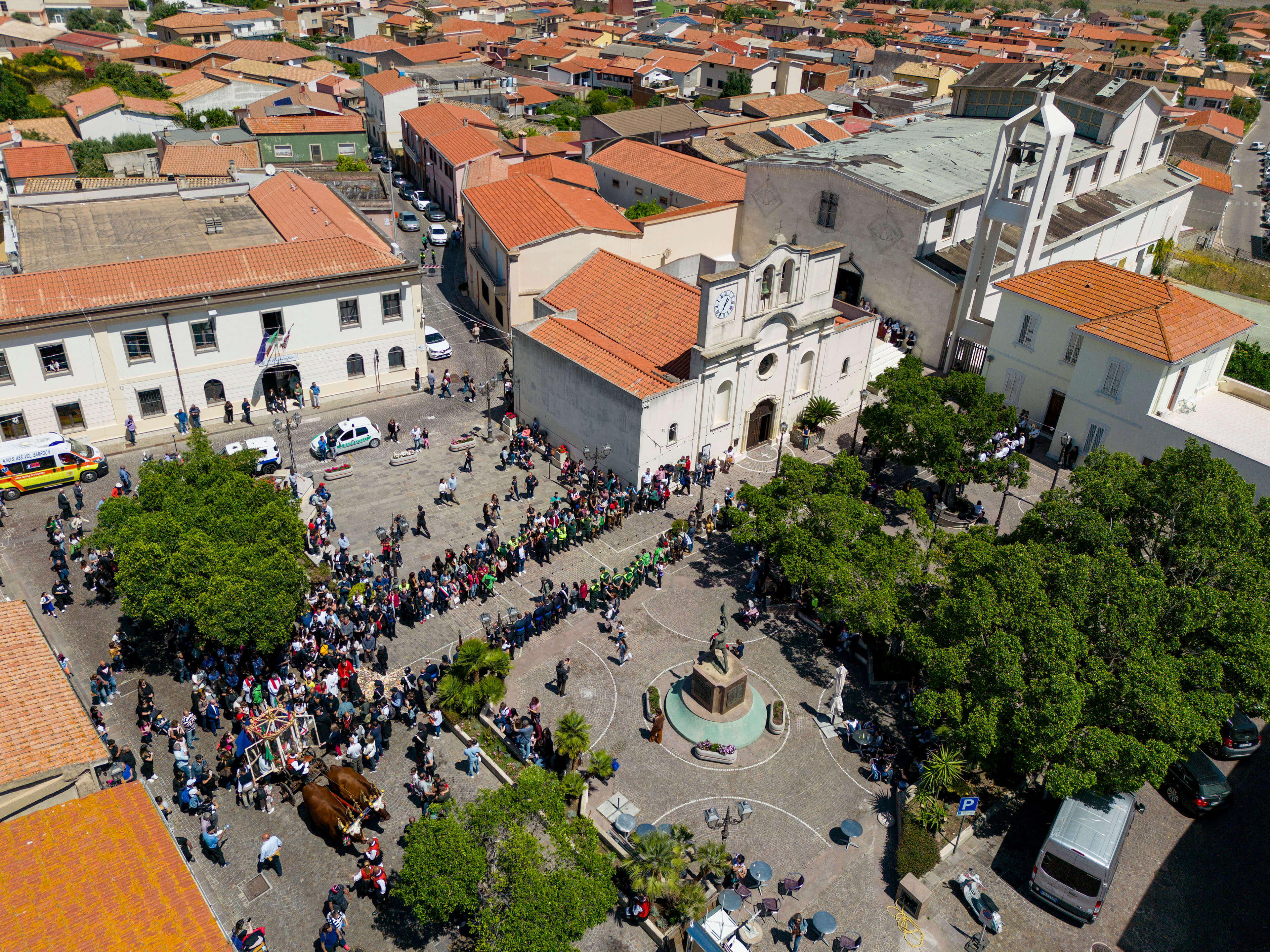
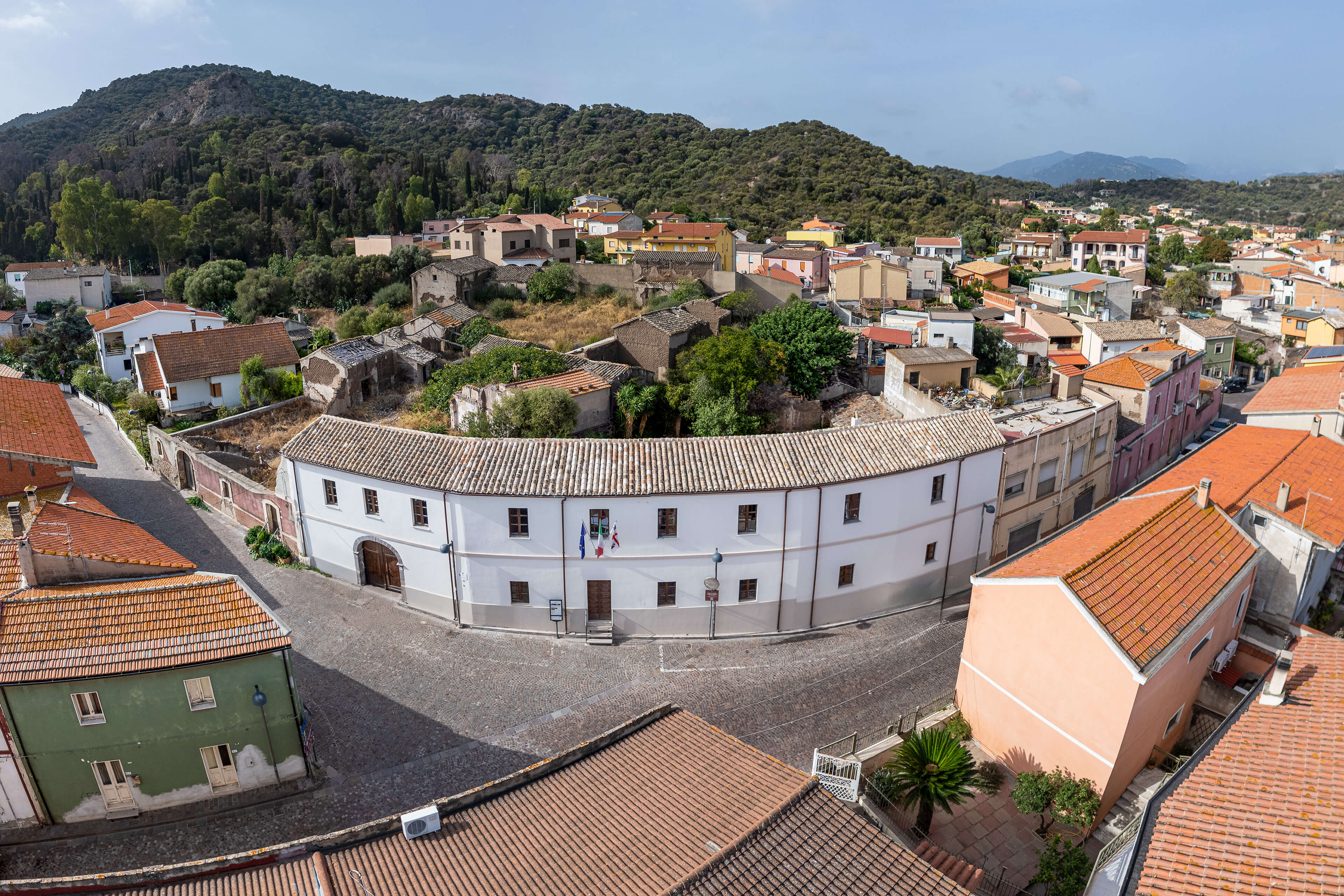
In the oldest part of the village, the dwellings are one- to two-storey courtyard houses typical of southern Sardinian architecture: the walls are usually made of adobes (called ‘ladiri’ in Sardinian language) or from local stone, occasionally, the plasters are made of lime mortar and the wooden beam roofs are covered with clay tiles. Great arched wooden portals open to a central courtyard, often with a garden and a well, and the house’s living spaces arranged around it.
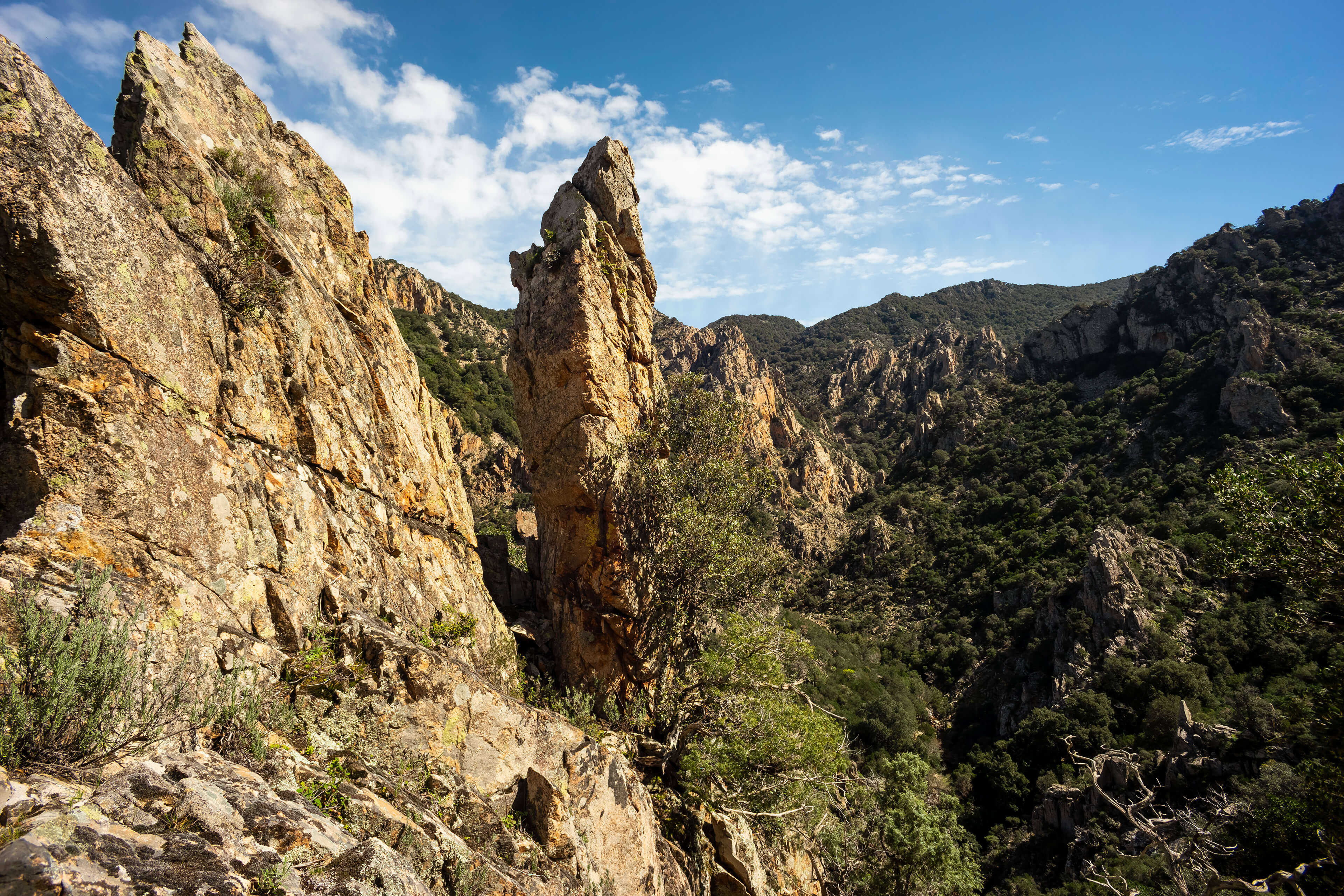
The local district of Sarroch (Sarrocu in the Sardinian language), covers about 70 square kilometres and is located on the west coast of the Golfo degli Angeli, about 25 km from the city of Cagliari. Its landscape unfolds in a rich variety of forms, from rugged mountains and gentle hills to sweeping plains and an extensive coastline. One of the tributaries of the Rio di Pula River, which meanders into the Sulcis mountains as far as the state forest of Monte Nieddu and the slopes of Monte Maxia, passes through this area. Its flora is the typically Mediterranean scrub such as cistus, mastic tree, carob tree, holm oak, pine and olive trees.
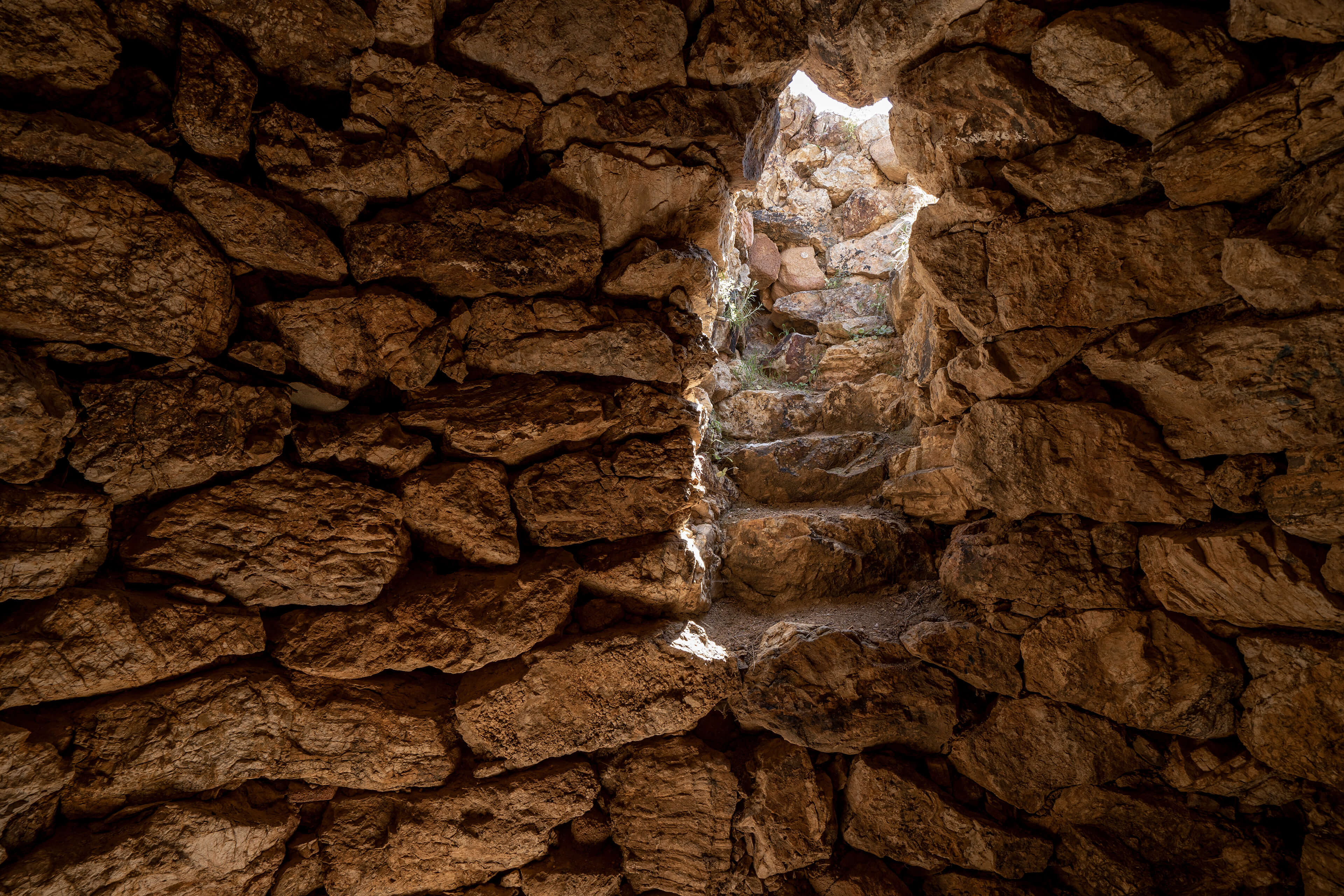
This land is blessed with many archaeological remains and monuments, especially from the Nuragic period (1800-700 B.C.): about twenty nuraghi and a dozen tombs of the giants. Among the most important nuraghi are those of Sa Domu 'e S'Orcu and Antigori. The former consists of two towers and an inner courtyard, the latter is an even more imposing building with at least four towers joined by a wall bastion.
Along the coast, the three Spanish towers (Antigori, Del Diavolo and Della Zavorra) built between 1500 and 1600 to protect the town and countryside from Barbary pirates, are still well preserved. Sarroch also hosts the only royal villa on the entire island: Villa d'Orri, built in 1700 as the summer residence of the Savoy family.
Map
Discover the Attractions

Batteria Sa Punta
The locality known as 'Sa Punta' is located in the south-western coastal periphery of the municipality of Sarroch, at the southern end of the coast of Sardinia.

Casa Mascia
One of the most interesting and emblematic buildings is undoubtedly Casa Maxia. The building, now owned by the municipality, is located in the heart of Sarroch's historic centre.

Church of San Giorgio
In the countryside of the municipality of Sarroch, in the locality of 'Barracas de Sus', is the Spanish-era church dedicated to Saint George, bishop of Suelli.

Church of Santa Vittoria
The Church of Santa Vittoria Vergine Martire is located in the heart of the centre of the small town of Sarroch.

City park
The city park in Sarroch is the town's most important green haven, located just outside the centre.

Festival of San Giorgio
In the countryside of Sarroch, in the locality of 'Barracas de Sus', is the 17th-century church dedicated to Saint George of Suelli.

Festival of Santa Vittoria
Saint Victoria was a martyr from the time of Emperor Diocletian. The festival in her honour is traditionally held in the third week of September.

Festival of Sant’Efis the Martyr
The origin of the festival in honour of Sant’Efis (1st – 4th May) date as far back as 1652, when a vow was made to the saint to free the island from a severe plague epidemic.

Monte Nieddu, gorge of Is Cioffus
The area of Monte Nieddu or Monti Nieddu (in Sardinian: black mountain) falls within the larger forest area of Gutturu Mannu (the great gorge) and covers some 2,500 hectares.

Nuraghe Antigori
In the north-eastern part of the municipal territory of Sarroch, on the summit of a hill of volcanic origin called Antigori, stands the nuraghe of the same name.

Nuraghe Sa Domu ‘e S’Orcu
Standing on the summit of a hill, 107 metres above sea level, the nuraghe was built during the Middle Bronze Age (17th century BC) when the Nuraghic civilisation spread across the island.

Perd’e Sali
In the municipality of Sarroch, about 30 km west of Cagliari, is the beach of Perd'e Sali.

Porto Columbu
About 30 km from Cagliari, in the municipality of Sarroch and near the hamlet of Perd'e Sali, is the beach of Porto Columbu.

Sa Punta Park
The Park of Sa Punta is located just outside Sarroch, in southern Sardinia.

Torre del Diavolo
The Torre del Diavolo (Devil's Tower), also known as 'Turri e su Scolliu' and in the past as 'Sa Torritta', is a watchtower on a promontory between Punta Zavorra and the ancient landing place of Porto Columbu, in the south-eastern area of Sarroch territory.

Villa d’Orri
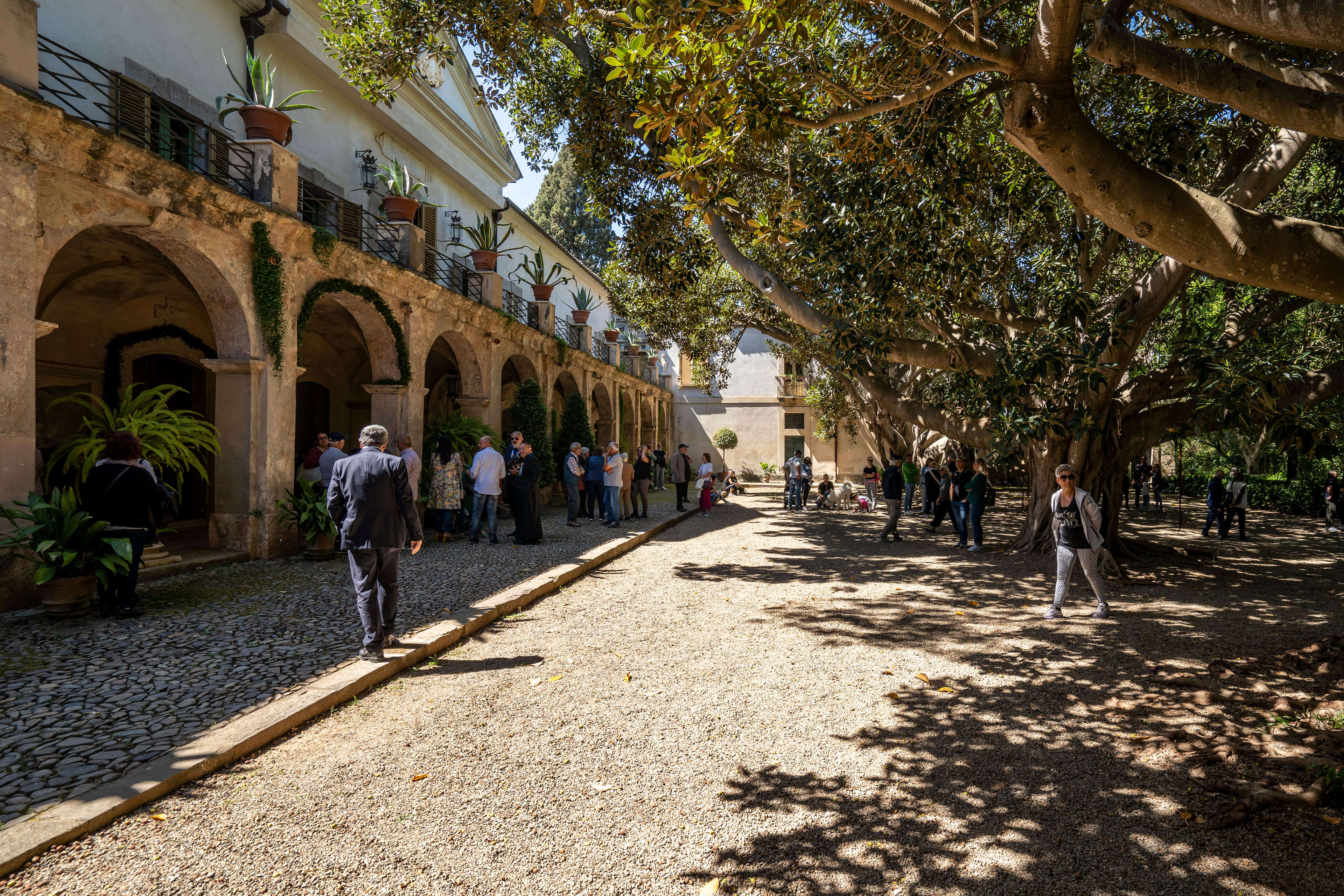
Villa d'Orri is located on the northern outskirts of the municipality of Sarroch, in a very suggestive and fascinating setting between the sea and the countryside.

Villa Siotto Park
Located on the southern outskirts of Sarroch, at the foot of the hill known locally as 'S'Arroca de Matt'e Gravellus', the Park consists of three main elements: a noble villa dating back to the early 20th century, the outbuildings and surrounding woodland.