Place Details
Villa San Pietro
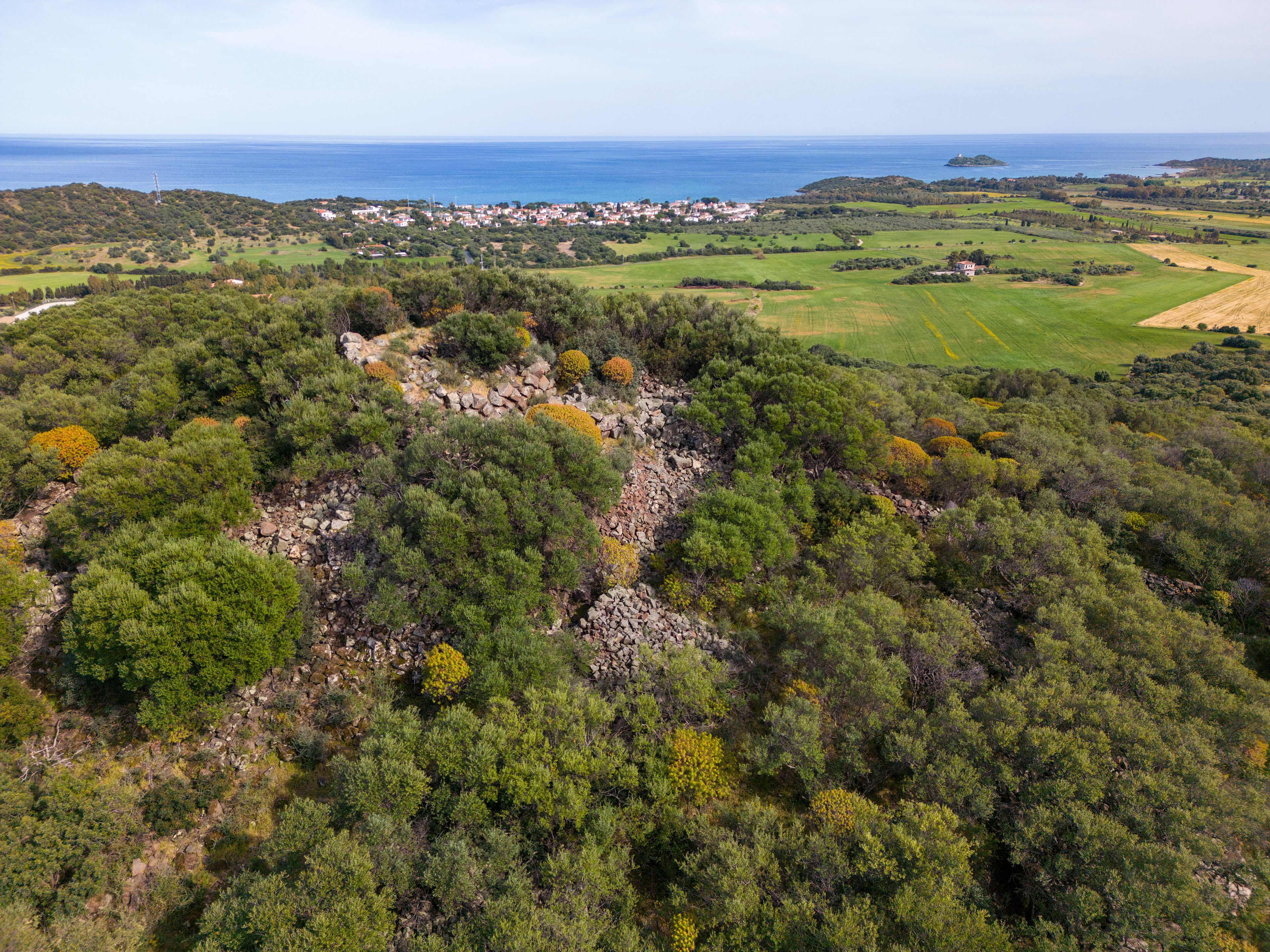
The village of Villa San Pietro, Santu Perdu in the Sardinian language, was founded in the Middle Ages, around the year 1000. At that time, it was part of the administrative district of Nora, in the Giudicato (Kingdom) of Cagliari, and later of the administrative district of Capoterra.
Piazza S. Pietro, 15, 09010 Villa San Pietro CA, Italia
With the fall of the Giudicato, in 1258, it passed to the Pisan Della Gherardesca family, then became part of the Kingdom of Sardinia in 1355, and was incorporated into the county of Quirra, a fief of the noble Carroz family. About a century later, the village was temporarily abandoned, due to the increasingly frequent pirate raids, and was repopulated in 1700.
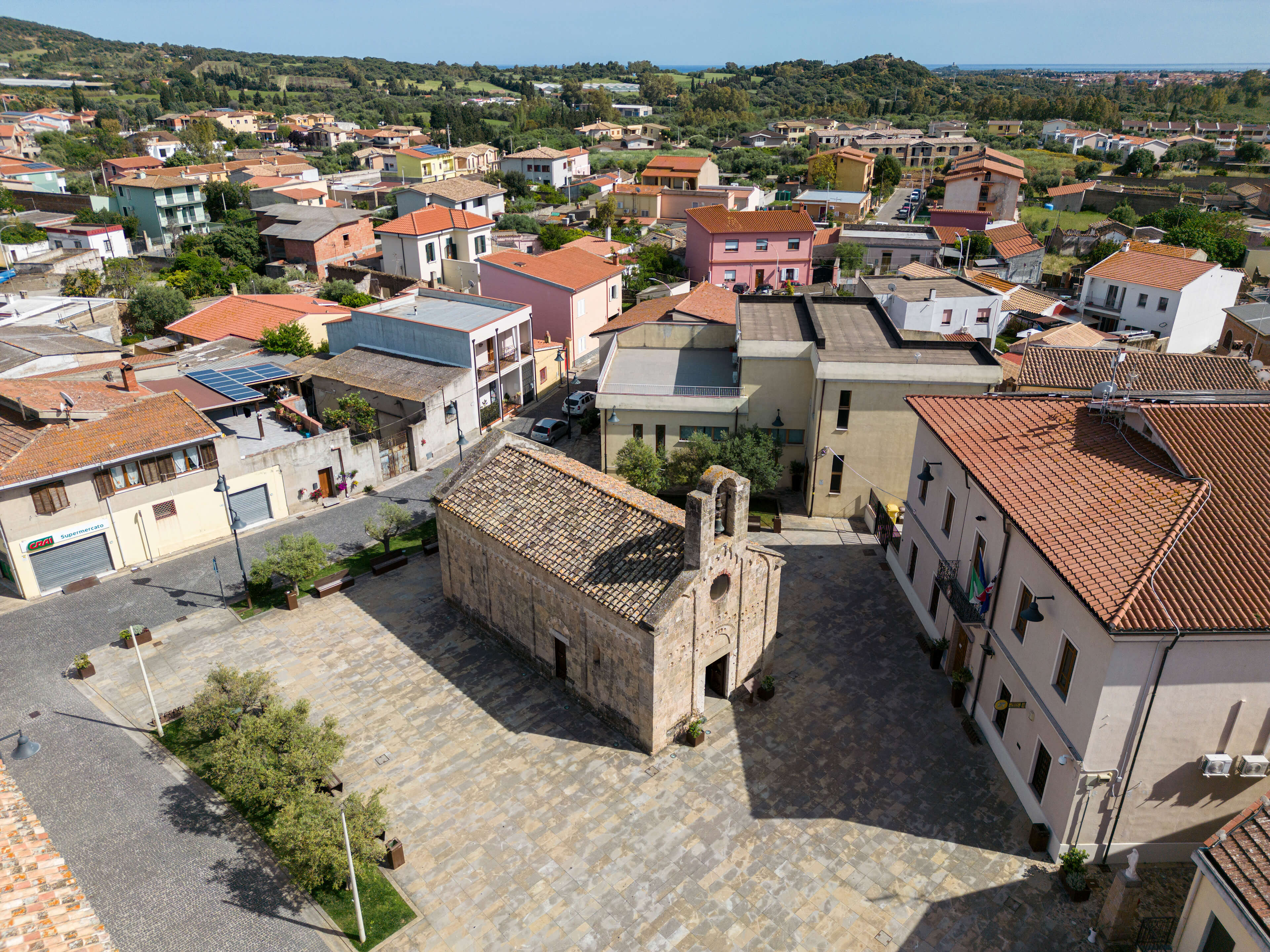
The first houses were built around the Romanesque church that still stands in the centre of the village, with its single nave and perfectly squared sandstone blocks.
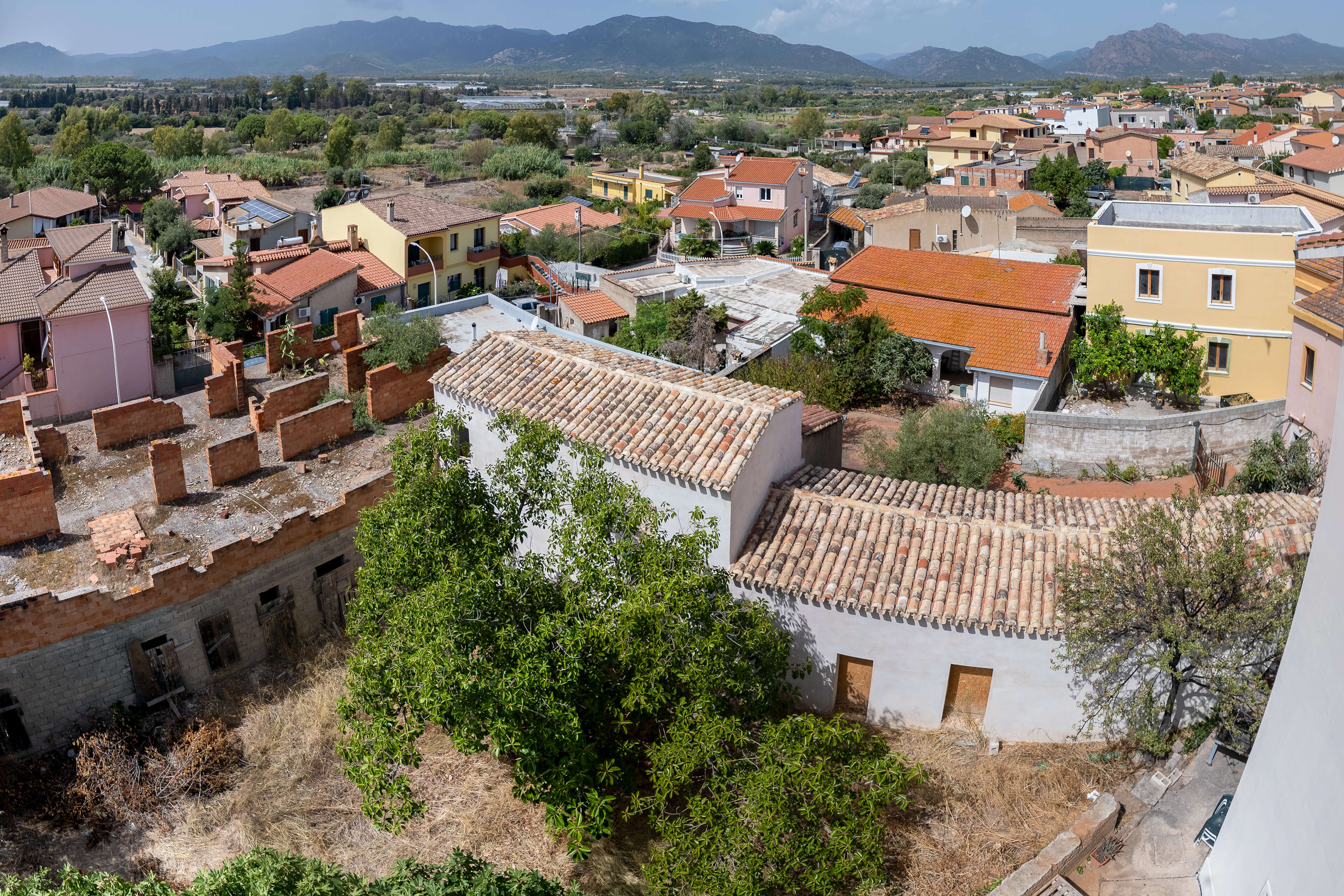
Also in the historic centre is the rural style building better known as ‘Casa Aru’. Built between the end of the 19th and the beginning of the 20th century, this large house features the typical architectural style of the Campidano region, with stone and adobe (ladiri) walls, and a two-storey main building overlooking a large courtyard.
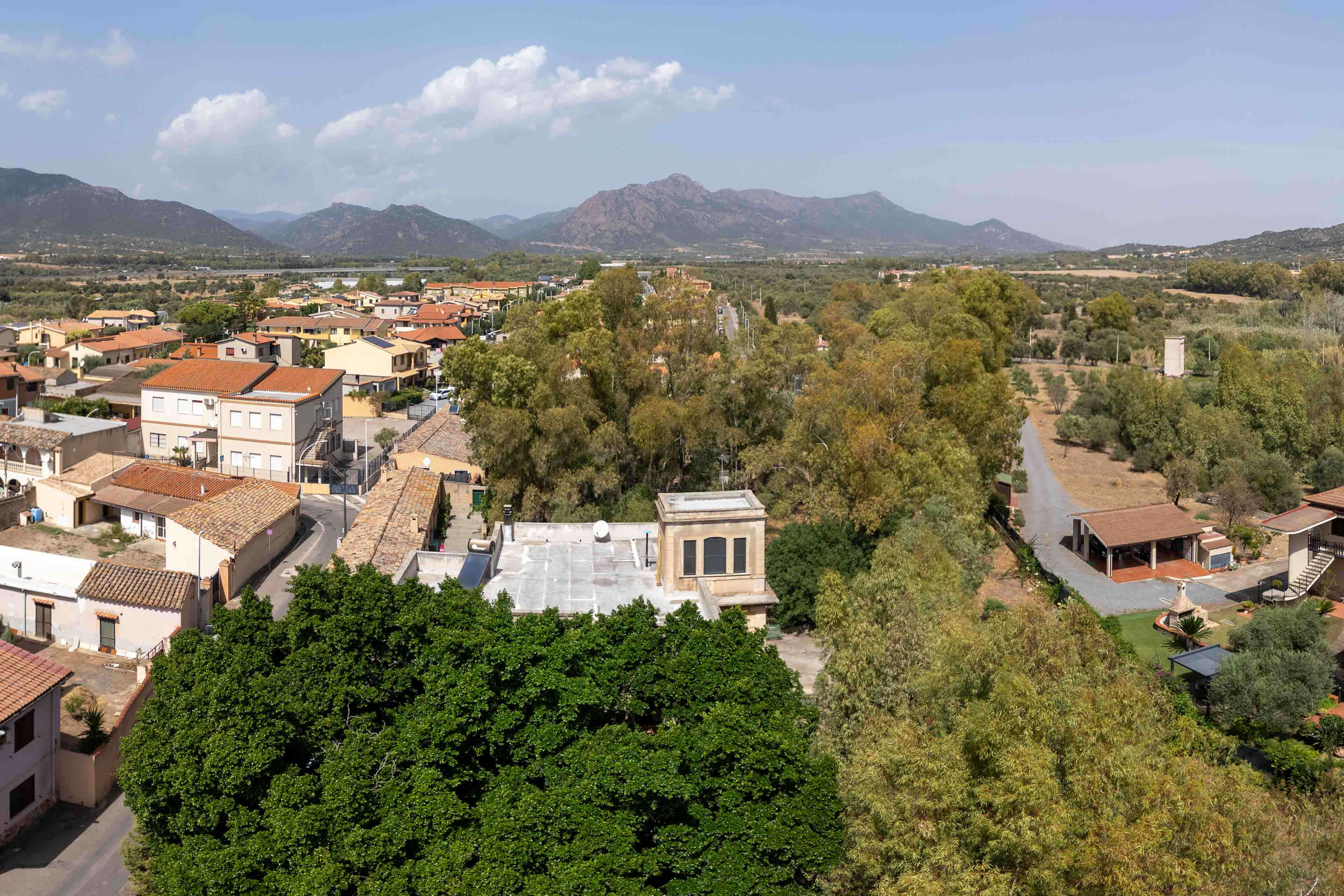
Another very representative building is Villa Atzori. This is a manor house built at the beginning of the 20th century for Mario Atzori, following the Art Nouveau style that was very much in vogue at the time of its construction. Vaguely hexagonal in shape and square in plan, the building develops over two floors of the same size, with a large terrace accessed through a rectangular turret on the northeastern side.
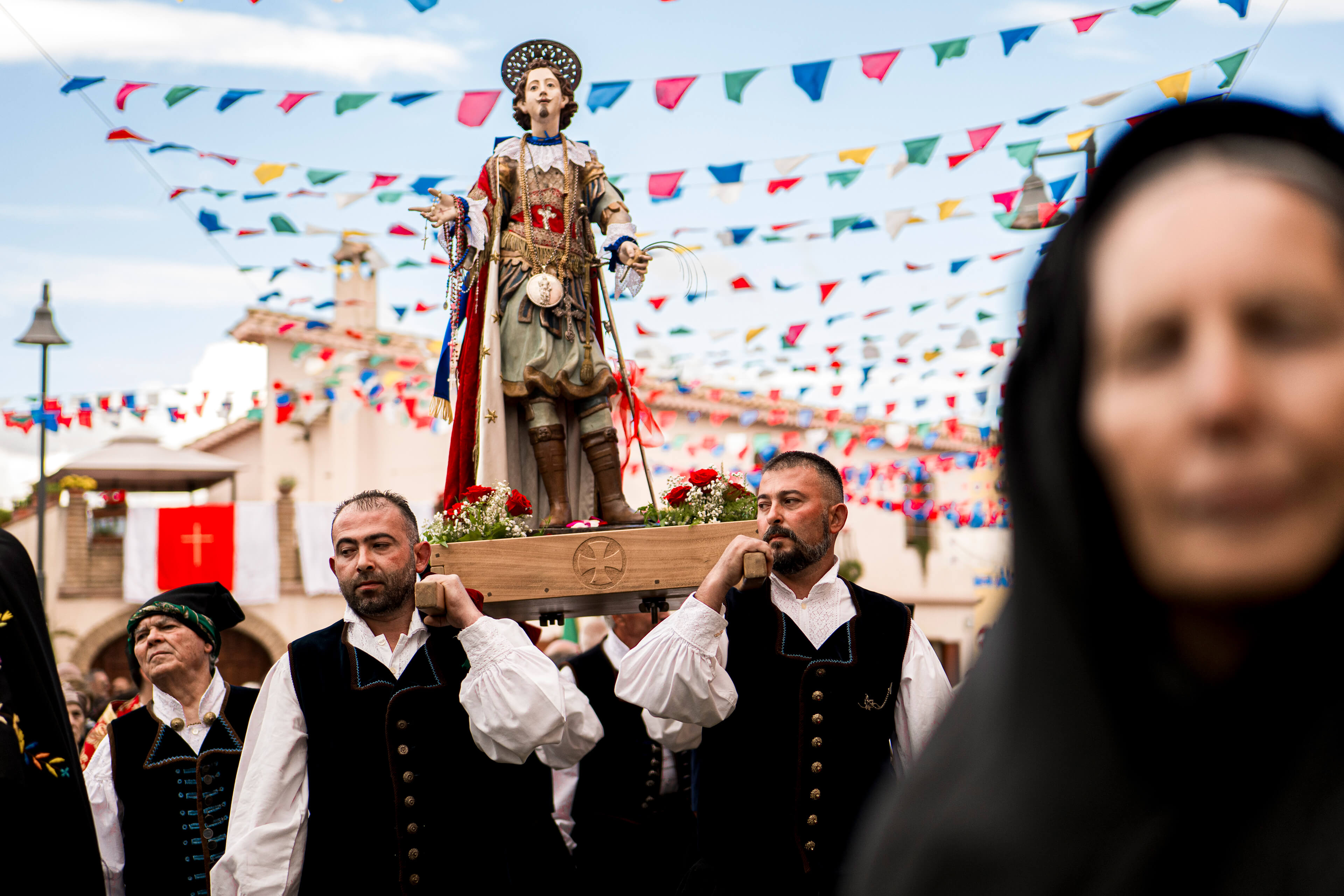
Every 4 May, during the procession carrying the statue of the island’s patron Sant’Efis back to Cagliari, there is a traditional stop at Villa Atzori, where Sant’Efis statue is draped with a precious cloak donated by the Atzori family.
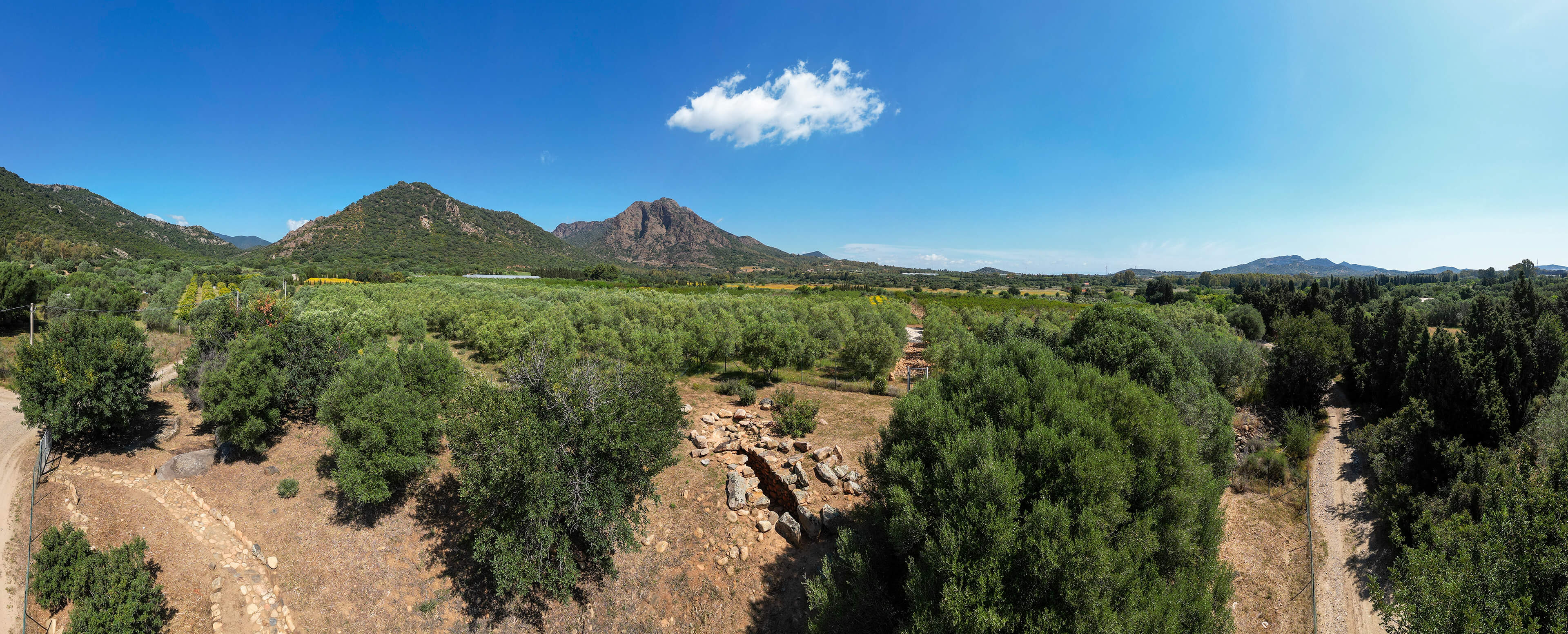
The local district of Villa San Pietro (Santu Perdu in the Sardinian language) covers about 40 square kilometres and borders the municipalities of Pula, Santadi and Sarroch. Its geology ranges from granite rocks from the Palaeozoic era to other rock formations such as sandstone in the lower hills and plains.
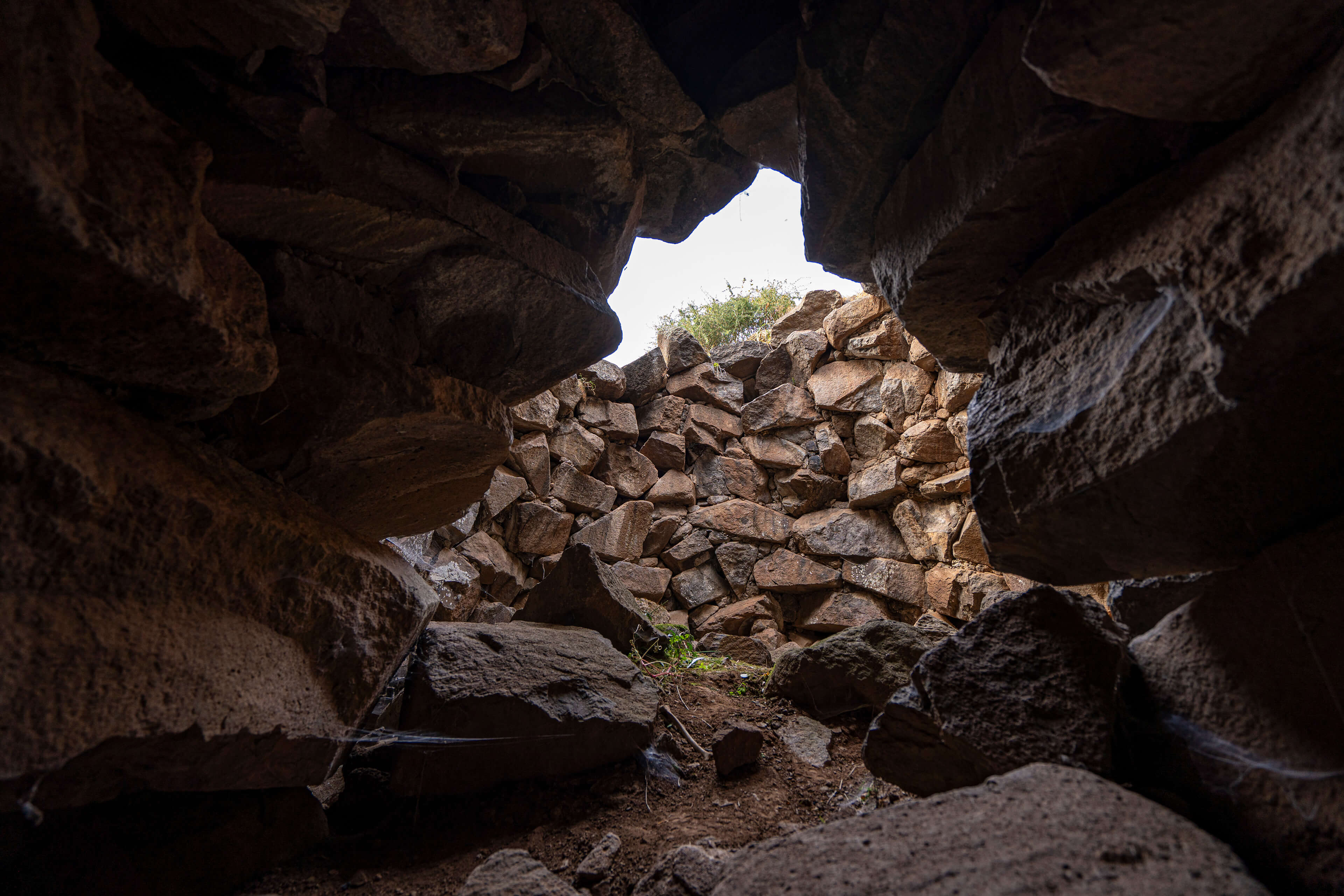
The area was inhabited as early as the Bronze Age (around 1800 B.C.), as evidenced by several nuraghi and tombs of the giants: the monumental nuraghe Mereu, consisting of a central tower and four perimeter towers plus a surrounding wall, and the tombs of the giants of Su Lilloni and Perda 'e Acutzai are the largest remains. Unlike most other tombs of the giants, the Perda 'e Acutzai tomb does not have an exedra (a recess where people could gather) but only the funerary corridor. The latter is preserved for a maximum height of about 1.50 metres and though currently roofless, it originally featured an “ogival” vault, forming a pointed arch ceiling.
The municipality boundaries run through the high mountains of Monti Mannu in a north-west/south-east direction that slope down into the valley where the town is located and end almost by the coast. The mountainous area, which is part of the Gutturu Mannu nature park, features holm oak and cork forests, springs and watercourses, an ideal habitat for the Sardinian deer. The flatlands have been exploited since ancient times for agricultural and husbandry activities. "From a geological perspective, the area ranges from Palaeozoic-era granite rocks to other formations such as sandstone in the lower hills and plains.
Map
Discover the Attractions

Casa Aru
A short distance from the Romanesque church of San Pietro, in the heart of the village, stands 'Casa Aru'.

Chiesetta San Pietro
Nearly a thousand years after its construction, the Chiesetta San Pietro is the most important historical building in the village by the same name.

Feast of San Pietro Apostolo
St. Peter, the patron saint of Villa San Pietro, is celebrated in the church of the same name.

Festival of Sant’Efis the Martyr
The feast in honour of Sant'Efis and its procession is the most important religious ceremony in the island of Sardinia.

Nuraghe Mereu
Located about 900 metres east of Villa San Pietro, near the administrative boundary with the municipality of Sarroch, the Nuraghe Mereu is undoubtedly one of the most imposing nuraghi in the area.

Tomba dei giganti Perda ‘e Accuzzai
'Perda 'e Accuzzai' (sharpening stone in Sardinian) is a Giants’ Tomb located on the northwestern outskirts of Villa San Pietro

Tombe dei giganti I and II of Su Lilloni
One can find the Giants’ Tombs of 'Su Lilloni' inside the forest of Gutturu Mannu (in Sardinian: the big gorge) in a fantastic natural setting.

Villa Atzori
Located a short distance from the centre of Villa San Pietro, Villa Atzori is undoubtedly one of the most significant buildings in the municipality, together with the Romanesque church of San Pietro, which is only 150 metres away from it.