Itinerary Details
Visiting the site of Nora
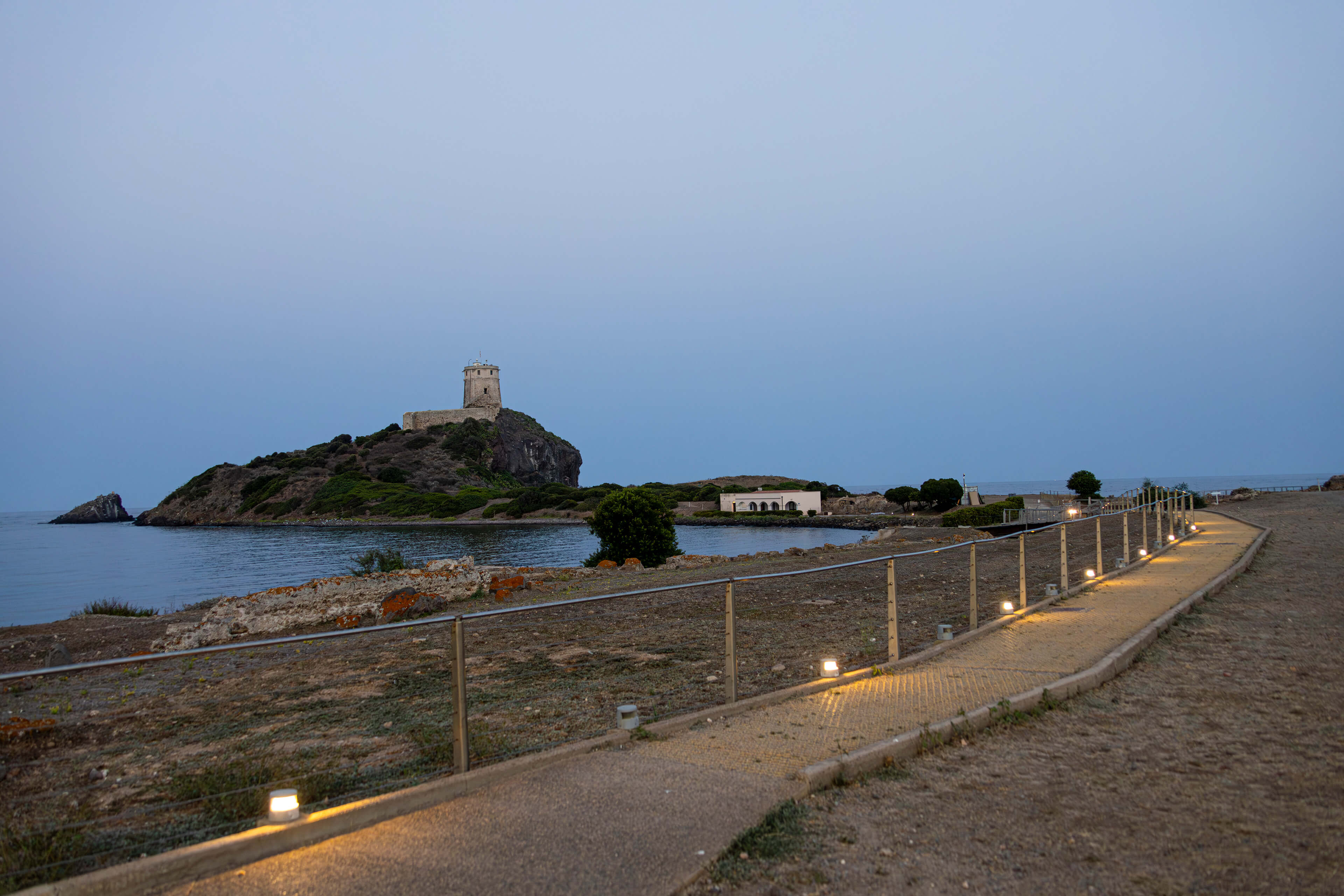
The site of Nora, within the local district of Pula, is one of the most important archaeological sites, not only on the island but in the entire Mediterranean. Visitors following this trail can admire not only the remains of this ancient city, but also other historical and environmental marvels.
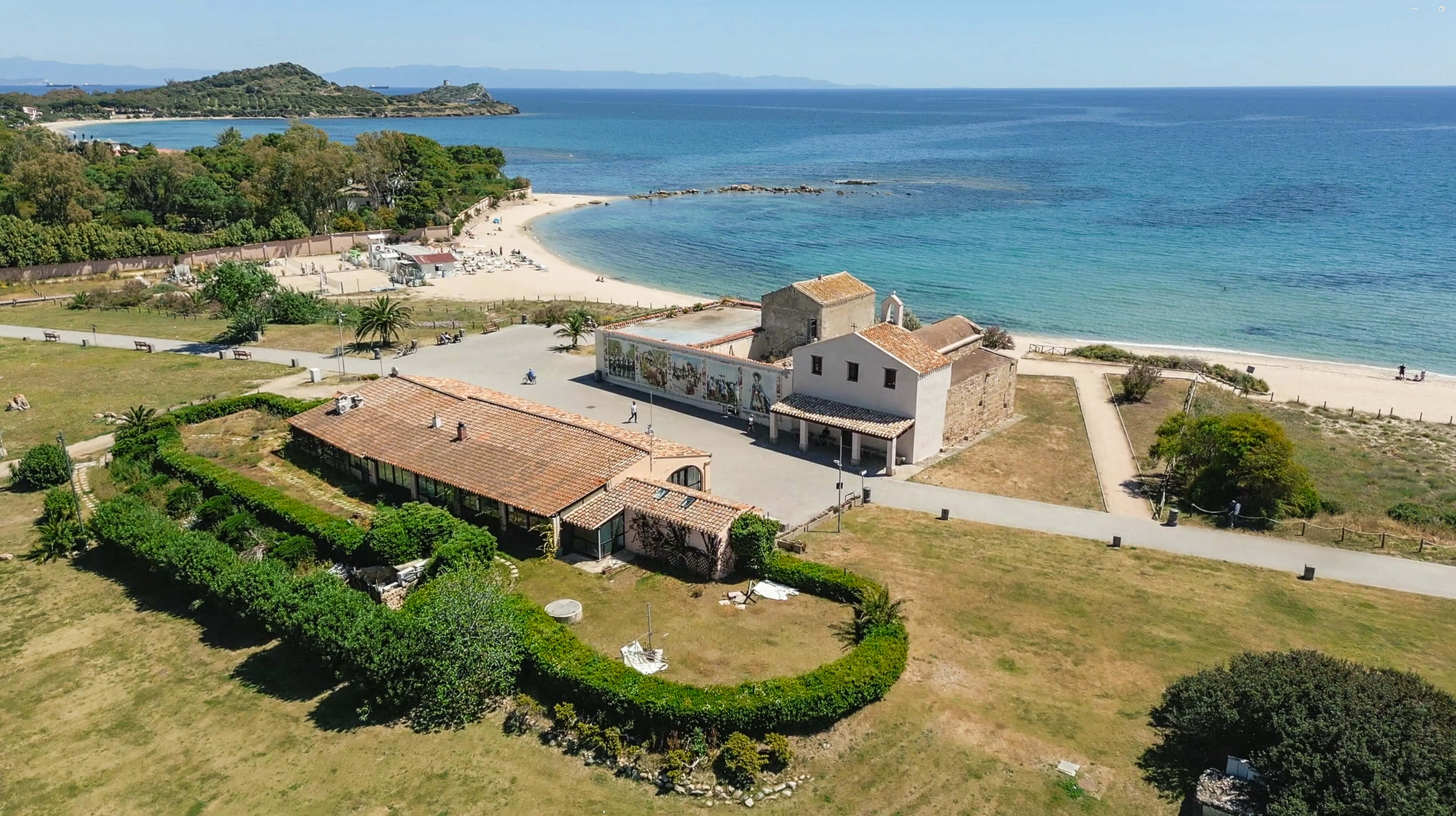
The trail begins in the outskirts of the town of Pula, where there is a1 km of pedestrian and bicycle path leads to beach. By the “Baia di Nora” hotel, you can spot the remains of the aqueduct that brought water to the town in Roman times and 500 metres further to the south, just a few metres from the beach, is the Romanesque church dedicated to Sant'Efis. This tiny church was built in the Middle Ages on the site where, according to legend, the saint was martyred.
About 100 metres away, on the opposite side of the road, there are nature trails crossing the lagoon - a wetland area on the peninsula called Fradis Minoris. The lagoon’s Biodiversity Trail features four attractions: the Educational EcoAquarium, the Cetacean Gallery, the Nature Trail and the Sea Turtle Recovery Centre.
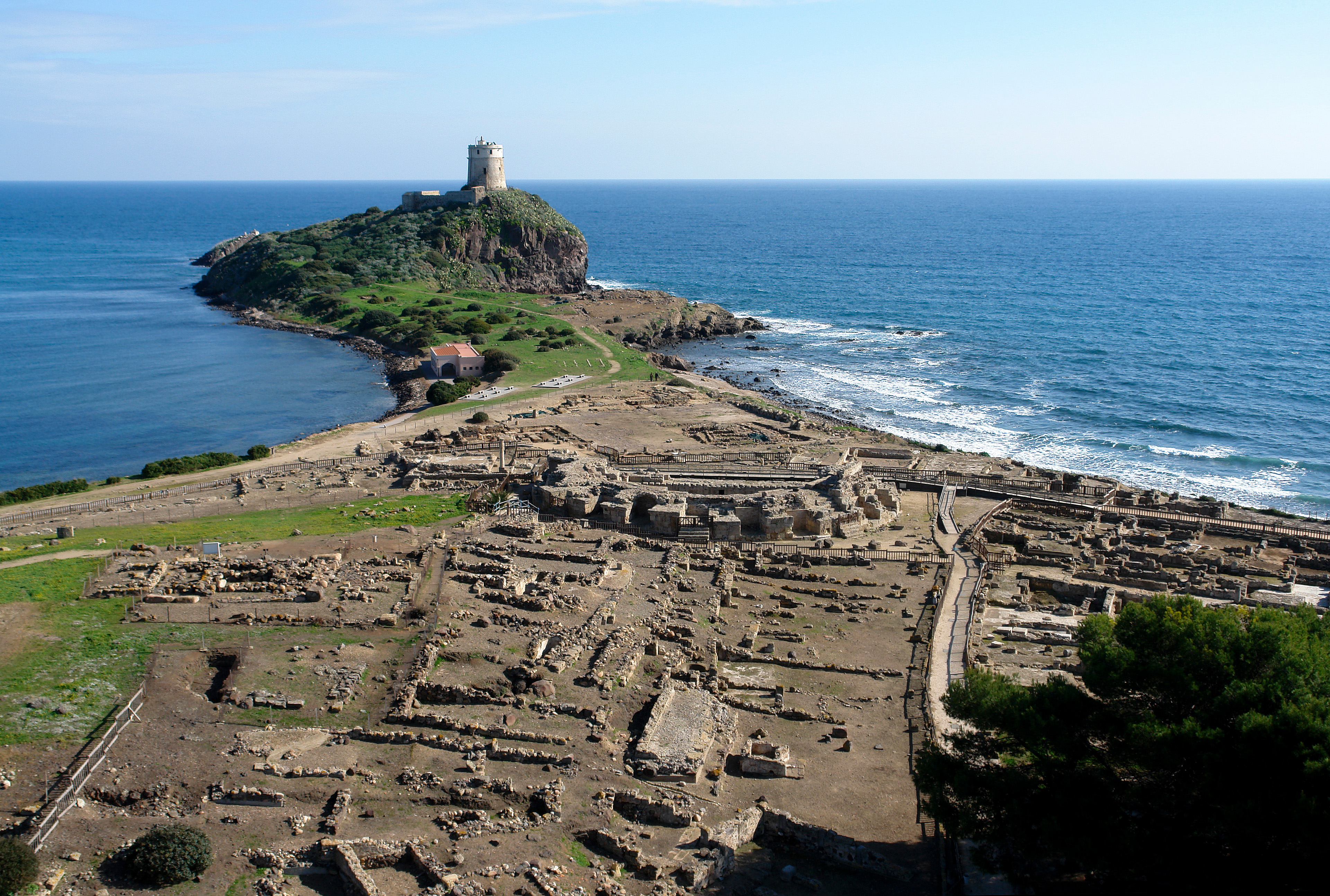
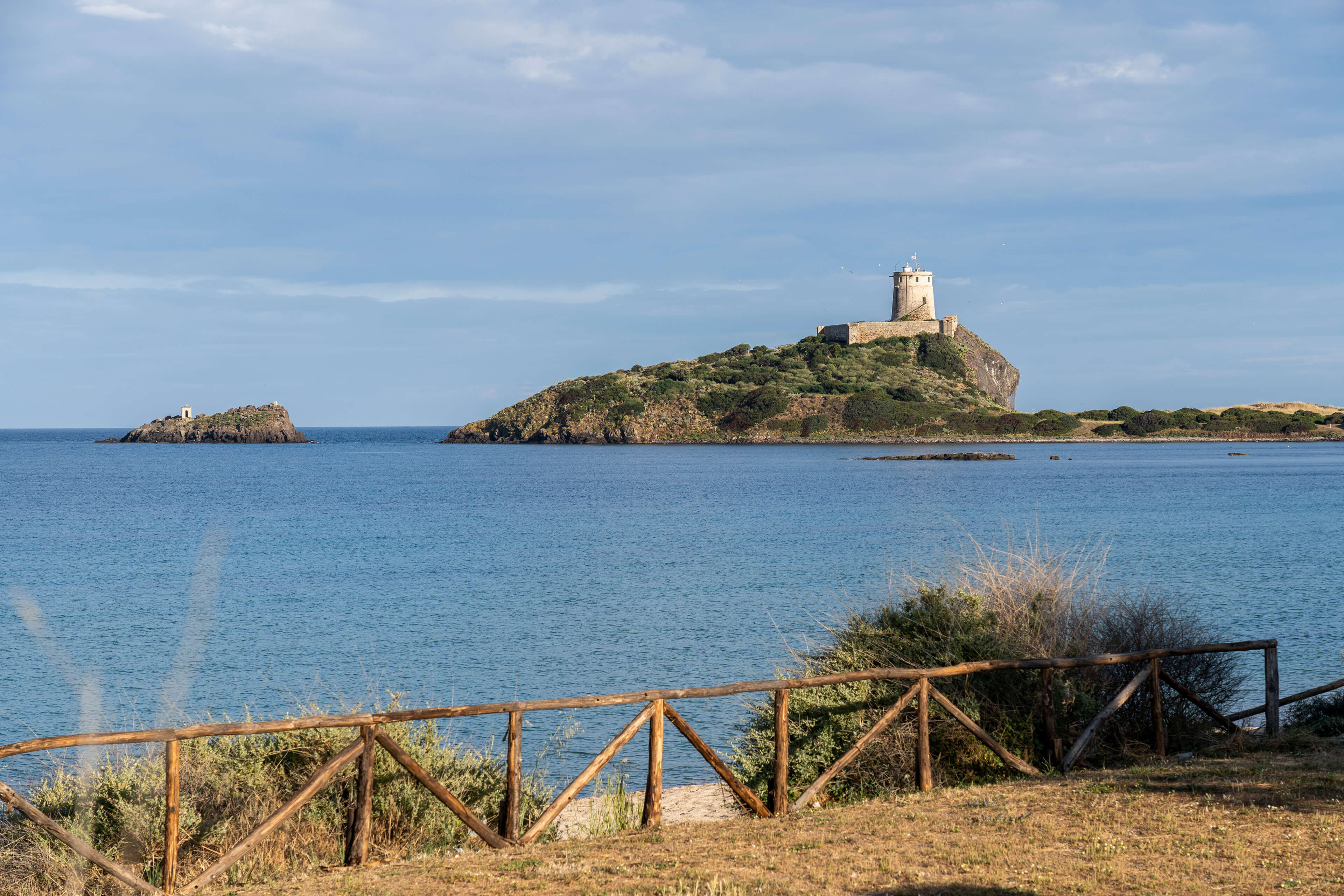
Visits to the archaeological park of Nora begin at the site's ticket office. Walking along the paths of the ancient Punic-Roman city, visitors can admire its mosaics and monuments such as the theatre, the sanctuary of Aesculapius and the baths. Leaving on foot in a southerly direction, the Spanish-era tower “Del Coltellazzo” hails a few hundred metres away at the top of the promontory of the same name.
Route Type:
on foot or by bike
Map
Multimedia
Discover the Attractions

Church of Sant’Efis
The Church of Sant’Efis the Martyr is located near the ancient Punic-Roman town of Nora.

Settlement of Nora
Nora is currently one of the most important and most visited archaeological sites on the island.

Tower of St Efis or of the Coltellazzo
The tower is located on the Coltellazzo promontory, a short distance from the ruins of the city of Nora.